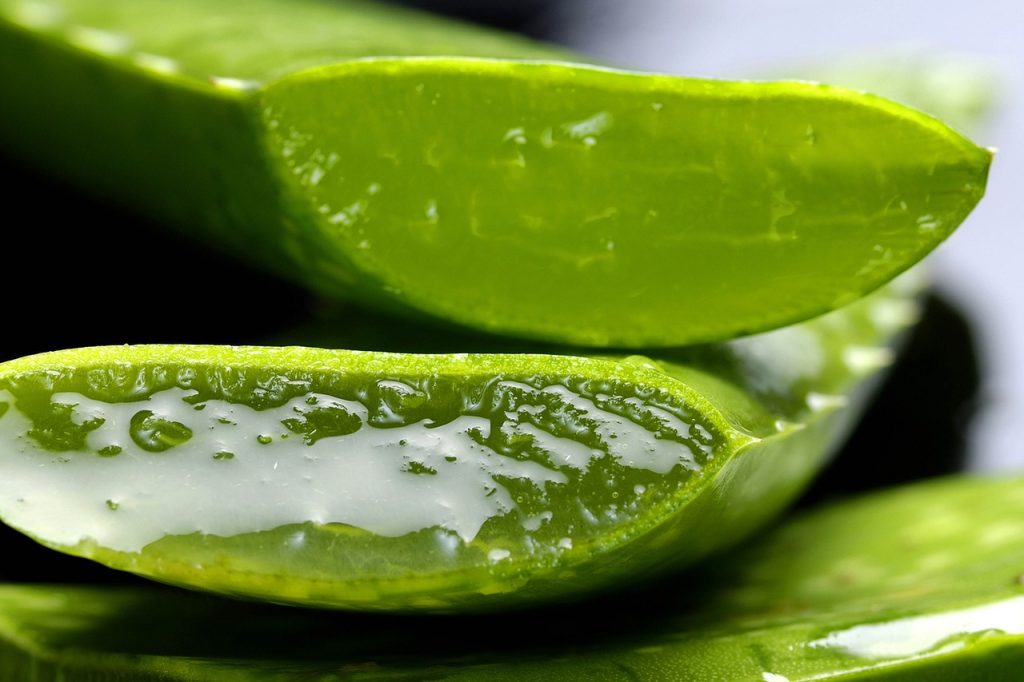
In my two decades of clinical practice—whether I am consulting with families in the Philippines or working with the vibrant international community in Alicante, Spain—I have often described Aloe vera as a pharmacological “Swiss Army knife.” Most of my patients know it as a topical savior for skin irritation or sunburns. But as we move through March 2026, a fascinating study from FAR Publishing Limited, published in Current Pharmaceutical Analysis, is taking Aloe from the medicine cabinet to the neuro-lab.
Using advanced AI and computer modeling, scientists have identified a compound called beta-sitosterol that might be a powerful weapon against the enzymatic “shredders” that drive Alzheimer’s disease. As your health thought partner, let’s explore how this hidden chemistry provides a new direction for Precision Geroscience.
1. The Biological Target: The Cholinergic Crisis
To understand why this Aloe discovery is such a big deal, we have to look at how nerve cells “talk” to each other. They use a chemical messenger called acetylcholine to transmit signals related to memory and learning.
The Role of Acetylcholine in Memory
Think of acetylcholine as the “Wi-Fi signal” of the brain. In a healthy brain, this signal is clear, allowing you to recall names, find your keys, and learn new skills. However, in Alzheimer’s disease, these signal levels drop significantly.
The Overactive “Shredders”: AChE and BChE
The brain has two enzymes designed to clean up the “Wi-Fi signal” after it’s been sent: acetylcholinesterase (AChE) and butyrylcholinesterase (BChE).
- AChE: The primary enzyme that breaks down acetylcholine.
- BChE: A secondary enzyme that becomes increasingly active as Alzheimer’s progresses.
In Alzheimer’s, these enzymes become “molecular shredders” that work too fast, destroying what little acetylcholine is left and causing the cognitive “blackouts” we associate with dementia.
2. Beta-Sitosterol: The 2026 “In Silico” Discovery
The research team, led by Meriem Khedraoui, didn’t use test tubes for this phase of the study. Instead, they used in silico methods—high-performance computer simulations—to test how various Aloe compounds fit into these “shredder” enzymes.
Molecular Docking: Finding the Perfect Fit
Using a technique called molecular docking, the researchers found that beta-sitosterol doesn’t just bump into these enzymes; it locks onto them with incredible precision.
- AChE Binding Affinity: −8.6 kcal/mol
- BChE Binding Affinity: −8.7 kcal/mol
The Meaning Behind the Numbers
In the world of pharmacology, a more negative number indicates a stronger, “stickier” bond. These scores suggest that beta-sitosterol is a highly effective dual inhibitor, meaning it can gum up both “shredders” simultaneously, preserving the brain’s acetylcholine levels far better than previous natural candidates.
Molecular Dynamics: Testing for Long-Term Stability
It isn’t enough for a compound to “fit”; it has to stay there. The team used molecular dynamics simulations to watch how beta-sitosterol behaved over time. They found that the bond remained stable, suggesting that a drug based on this compound wouldn’t just work for a few minutes but could provide sustained protection for brain cells.
3. The Power of ADMET: Predicting the Human Journey
One of the biggest heartbreaks in Alzheimer’s research is finding a “miracle” compound in a lab that turns out to be toxic or impossible for the human body to absorb. This is where ADMET analysis (Absorption, Distribution, Metabolism, Excretion, and Toxicity) comes in.
Absorption and Distribution
The AI-powered simulations showed that beta-sitosterol has a favorable profile for human use. It appears to be well-absorbed in the intestines and—crucially—has the potential to cross the Blood-Brain Barrier (BBB).
Toxicity and Safety
In my clinic, I always prioritize Intellectual Honesty. We cannot give a treatment that fixes the brain but destroys the liver. The 2026 ADMET analysis suggests that beta-sitosterol is unlikely to be toxic at therapeutic levels and is processed efficiently by the body’s metabolic pathways.
4. Clinical Candor: From Your Garden to the Lab
As much as I love the idea of a “backyard cure,” I have to balance my enthusiasm with grounded candor. While this research is a massive leap forward for Plant-Based Geroscience, we are still in the early stages.
The “In Silico” Caveat
Everything we know about Aloe’s beta-sitosterol right now comes from computer simulations. While 2026 AI models are lightyears ahead of where we were five years ago, they are still “digital guesses.” We need rigorous human clinical trials to confirm that what happens in a silicon processor also happens in a human hippocampus.
Why Raw Aloe Isn’t the Answer
I strongly advise my patients against “self-medicating” with raw Aloe vera gel for cognitive health.
- Concentration: You would likely need to consume massive, unsafe amounts of raw Aloe to get the brain-protecting dose of beta-sitosterol used in these models.
- Side Effects: Raw Aloe contains compounds like aloin, which are potent laxatives and can cause severe GI distress if ingested improperly.
5. Dr. Marie’s 2026 Protocol: Protecting the Cholinergic System
While we wait for the first “Aloe-Brain Pill” to reach the market, we can use the logic of this study to build Systemic Resilience today. We want to protect your acetylcholine before the “shredders” get a chance to act.
1. Metabolic Integrity and the “Glucose Shield”
High blood sugar (hyperglycemia) can actually increase the activity of the AChE shredders.
- The Action: By maintaining a stable HbA1c (ideally < 5.5%), you are effectively “slowing down the shredders” through lifestyle alone.
2. The Infection-Inflammation Audit
As we’ve discussed in recent Cedars-Sinai and UCSF breakthroughs, hidden infections can trigger neuro-inflammation. Inflammation makes the brain’s environment more acidic, which can change the shape of your enzymes and make them harder to inhibit. Clearing systemic “noise” is essential for your internal chemistry to work correctly.
3. Dietary Precursors
Acetylcholine isn’t made out of thin air. Your body needs Choline to build it.
- The Action: Incorporate choline-rich foods like eggs (specifically the yolks), cruciferous vegetables, and wild-caught fish into your 2026 nutrition plan.
Summary: A New Paradigm for Natural Neuro-Protection
The 2026 Aloe discovery represents a “Full Circle” moment in medicine: using the most advanced AI technology to validate the hidden wisdom of the natural world.
- The Hero: Beta-sitosterol, a compound found in Aloe vera.
- The Mechanism: Dual inhibition of the AChE and BChE enzymes to preserve memory.
- The Method: AI-driven in silico modeling that ensures safety and stability before human testing.
- The Impact: A potential for affordable, low-side-effect, plant-derived Alzheimer’s therapy.
How I Can Help You Navigate the Geroscience Frontier
At Puente Costa Blanca, we bridge the gap between “Digital Discovery” and “Daily Autonomy.”
Online Medical Consultations (Philippines & Global)
For my global community, I offer secure, 24/7 consultations via SeriousMD.
- Bio-Individual Nutrition: Designing a diet that maximizes your natural “shredder inhibitors” through precise whole-food chemistry.
- Neuro-Metabolic Audit: Reviewing your inflammatory markers to protect your cholinergic system.
BOOK YOUR MEDICAL CONSULTATION NOW ON SERIOUSMD
Geriatric Rehab & Anti-Aging Clinic (Alicante & Costa Blanca, Spain)
For the international community in Spain, we bridge the gap between advanced research and daily functional autonomy.
Visit our local sites: Puente Costa Blanca (.com) |Puente Costa Blanca (.es)
- Neuro-Functional Training: Drills designed to stimulate the cholinergic system and maintain hippocampal volume.
- Sarcopenia & Vitality: Building the physical strength that supports the cardiovascular health necessary to feed your brain’s command centers.
Final Thoughts from Dr. Marie
The realization that a common desert plant holds a high-tech “key” to memory preservation is a beautiful reminder of the world’s resilience. While the “Aloe Pill” is still on the horizon, the knowledge it gives us is available today. By protecting your metabolism and your vascular health, you are already “taking aim” at Alzheimer’s.
Let’s flip your switches and protect your future together.
Dr. Marie Gabrielle A. Laguna, MSc, M.D., FPCP, FDip (Geriatric Rehab, UK) Internal Medicine & Senior Health Specialist