In my two decades of clinical practice—whether I am consulting with families in the Philippines or working with the vibrant international community in Alicante, Spain—I have often encountered what I call the “Fat Fear.” For decades, the medical consensus was a variation of the same theme: To protect your heart, you must choose low-fat dairy. Since the heart and brain are intimately linked through the vascular system, we assumed this advice was a universal truth for dementia prevention.
However, as we move through March 2026, a landmark 25-year study from Loughborough University and researchers in Sweden, published in the journal Neurology, has turned the “low-fat” mantra on its head. After tracking nearly 28,000 individuals for a quarter of a century, the data suggest that for those without a specific genetic predisposition to Alzheimer’s, full-fat cheese and cream might actually be neuro-protective.
As your health thought partner, let’s peel back the wax on this study. We aren’t just looking at a dietary trend; we are looking at a fundamental shift in Precision Geroscience.
1. The Swedish Longitudinal Breakthrough: 25 Years of Data
The strength of any nutritional study lies in its duration and its population size. This Swedish study is a powerhouse because it tracked 27,670 people over a 25-year period. In the world of clinical research, this allows us to see the “long game”—how the dietary choices made in midlife manifest as brain health decades later.
The Statistical Significance of the “Big Cheese” Effect
Out of the initial cohort, 3,208 participants were diagnosed with dementia during the follow-up period. When researchers analyzed the intake of dairy products, the results for full-fat options were not just surprising—they were statistically dramatic.
The 50-Gram Threshold for Alzheimer’s Risk
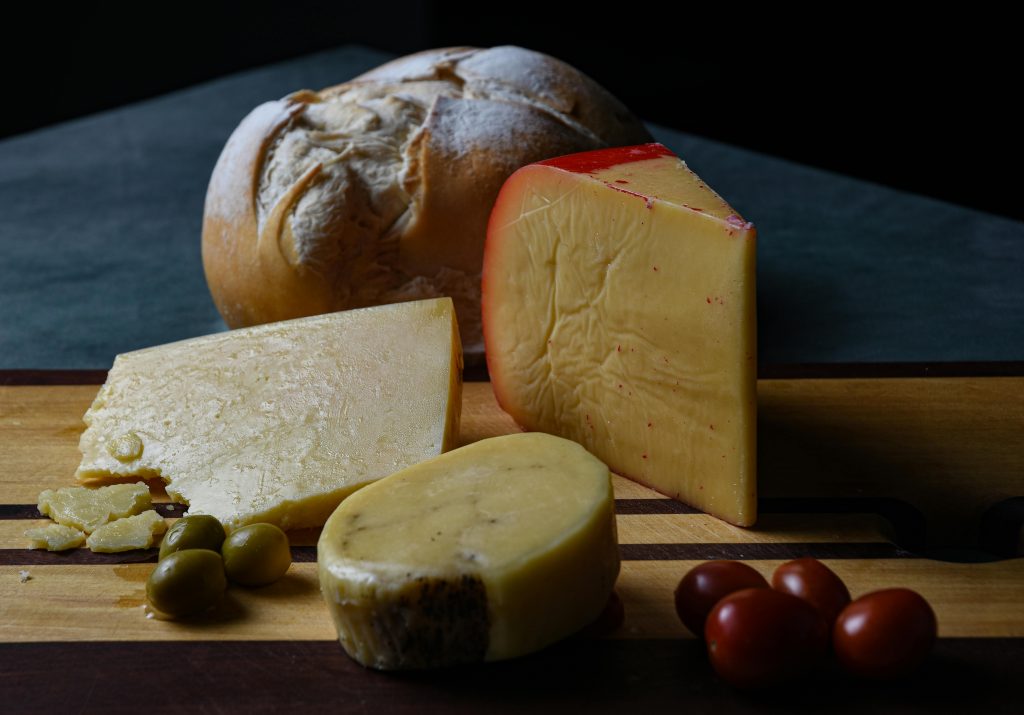
For participants who did not carry high-risk genetic markers, consuming more than 50 grams of full-fat cheese per day was associated with a 13%–17% lower risk of developing Alzheimer’s. To put that in perspective, 50 grams is roughly the size of two large matchboxes. This is a manageable and, frankly, enjoyable amount for most dairy lovers.
The Cream Factor in Overall Dementia
The benefits were not limited to aged cheese. Participants who consumed more than 20 grams of full-fat cream per day (approximately 1.5 tablespoons) showed a reduced risk of overall dementia ranging from 16%–24%. Interestingly, these benefits were absent in those who chose low-fat cream, skim milk, or even fermented products like yogurt in this specific cohort.
2. The Biological “Dairy Matrix”: Why Fat Isn’t Just Fuel
As an internist, I often explain to my patients that we do not eat “nutrients”—we eat food. For years, we isolated “saturated fat” and labeled it a villain. But the Dairy Matrix theory suggests that the physical structure of a food affects how its nutrients are processed by the body.
The Role of Vitamin K2 and Vascular Shielding
One of the leading theories for why full-fat cheese protects the brain involves Vitamin K2 (menaquinone). While Vitamin K1 is found in leafy greens, K2 is primarily found in fermented foods and full-fat dairy.
Vitamin K2 acts as a “traffic cop” for calcium. It helps keep calcium out of your arteries—where it causes stiffness and atherosclerotic plaques—and directs it into your bones. By preventing arterial calcification, Vitamin K2 protects the delicate micro-vasculature of the brain. If the “pipes” feeding your neurons stay supple and clear, your risk of vascular dementia drops significantly.
Essential Micronutrients for Neural Integrity
Beyond the fats, cheese is a dense source of several “brain-building” nutrients that low-fat versions often lack or have in lower concentrations:
- Vitamin B12: Critical for maintaining the myelin sheath that insulates our nerves.
- Iodine & Selenium: Essential for thyroid function, which regulates overall brain metabolism.
- Zinc: A key player in synaptic plasticity and memory formation.
3. The Genetic Filter: Why APOE4 Changes the Rules
In the spirit of Intellectual Honesty, we must acknowledge that a one-size-fits-all diet is a myth. The most critical “caveat” in this 2026 study was the role of genetics—specifically the APOE4 allele, the most well-known genetic risk factor for late-onset Alzheimer’s.
The Disappearing Benefit
For participants who carried the APOE4 gene, the protective effect of full-fat cheese and cream virtually vanished. This suggests that the way our bodies process dairy fats is dictated by our DNA.
Personalized Nutrition and Fat Metabolism
In individuals with a high genetic risk, high-fat intake may trigger a more significant inflammatory response or interfere with the brain’s ability to clear amyloid-beta plaques. This is why I always recommend a Genomic Risk Assessment before making radical dietary changes. What is “medicine” for one person’s brain might be “neutral” or even “detrimental” for another’s.
4. Avoiding the “Reverse Causality” Trap
A common criticism of nutritional science is that people change their diets because they are starting to get sick. For example, someone in the very early, undiagnosed stages of dementia might lose their appetite for rich foods like cheese. If a study isn’t careful, it might conclude that “low cheese intake causes dementia,” when in reality, the dementia caused the low cheese intake.
The 10-Year Lag Analysis
The Swedish researchers were incredibly rigorous. They re-calculated their results after excluding everyone who developed dementia within the first 10 years of the study.
The Result: A Proactive Defense
Even after removing those early cases, the link between high cheese intake and lower dementia risk remained. This gives us much higher clinical confidence that the dairy was a proactive defense mechanism, not just a side effect of a changing appetite. It suggests that the neuro-protective benefits of the “Dairy Matrix” begin working in the decades before cognitive decline usually starts.
5. Lifestyle Factors: Is it the Cheese or the Life?
As your health thought partner, I must offer a grounded perspective. We have to ask: Was it just the cheese, or was the cheese a marker for a healthier overall life?
The “Healthy User” Bias
The Swedish study observed that the high-cheese consumers were generally:
- More highly educated.
- Less likely to be overweight.
- Less likely to have conditions like stroke, heart disease, or diabetes.
Substitution Effects
We also have to consider what these people were not eating. If a person eats a piece of high-quality aged cheese as a snack instead of a processed red meat product (like a deli-meat sandwich) or a sugary granola bar, their systemic inflammation markers will be lower. The “benefit” of cheese might partially be the benefit of avoiding “ultra-processed” alternatives.
Cheese and the Mediterranean Pattern
In my practice in Alicante, I see the Mediterranean Diet in action every day. Cheese is never the “main event”; it is a garnish alongside olives, fresh fish, vegetables, and whole grains. This study reinforces that foods should not be considered in isolation. Cheese is a valuable ally when it is part of a Resilient Lifestyle that includes movement and social engagement.
6. Dr. Marie’s 2026 Dairy Protocol: Practical Recommendations
So, how do you apply this 25-year study to your own life? We use a Full Circle approach, balancing new data with established clinical wisdom.
Choose “Aged” Over “Processed”
When the study refers to “cheese,” it means real, fermented dairy.
- The Target: Look for aged cheeses like Parmesan, Manchego, or Sharp Cheddar. These are higher in Vitamin K2 and bioactive peptides.
- The Avoidance: Avoid “processed cheese food” or “singles,” which are often stripped of the Dairy Matrix and loaded with emulsifiers that can disrupt gut health.
The “Cream” Rule for Coffee
If you enjoy coffee, the study suggests that a tablespoon of real, full-fat cream is likely better for your brain than a “low-fat” non-dairy creamer filled with seed oils and corn syrup. The healthy lipids in cream may even help slow the absorption of caffeine, providing a more stable energy boost.
Monitor Your CKM Syndrome Markers
If you have Cardiovascular-Kidney-Metabolic (CKM) Syndrome, you must be precise. I recommend tracking your LDL-P (LDL particle count) and ApoB levels. If your “bad” cholesterol particles spike significantly with full-fat dairy, we need to adjust your intake, regardless of what the general study says. Data is our guide, but your labs are the final word.
A New Era of Nutritional Resilience
The 2026 Loughborough/Swedish study is a reminder that the human body is a complex, conversational ecosystem.
- The Discovery: Full-fat cheese (>50g/day) and cream (>20g/day) are linked to a significantly lower risk of dementia and Alzheimer’s.
- The Caveat: This benefit is primarily seen in those without a high genetic risk (non-APOE4 carriers).
- The Mechanism: The “Dairy Matrix” provides Vitamin K2 for vascular health and B12 for nerve integrity.
- The Strategy: Cheese should be used as a high-quality whole-food component of a Mediterranean-style diet, not as a stand-alone “superfood.”
How I Can Help You Navigate the Geroscience Frontier
At Puente Costa Blanca, we specialize in taking these massive international data sets and shrinking them down to fit your unique biological profile.
Online Medical Consultations (Philippines & Global)
For my global community, I offer secure, 24/7 consultations via SeriousMD.
- Nutritional Audit: We can review your current dairy intake and see if it aligns with your cardiovascular and metabolic markers.
- Genomic Risk Assessment: Understanding your genetic predispositions is the first step in deciding if a high-fat dairy protocol is right for your brain.
BOOK YOUR MEDICAL CONSULTATION NOW ON SERIOUSMD
Geriatric Rehab & Anti-Aging Clinic (Alicante & Costa Blanca, Spain)
For those in Spain, we bridge the gap between advanced research and daily functional autonomy.
Visit our local sites: Puente Costa Blanca (.com) | Puente Costa Blanca (.es)
- Integrated Neuro-Physical Training: We pair metabolic nutrition with specific cognitive drills to maximize your “Healthspan.”
- Sarcopenia Prevention: Ensuring you have the correct nutrient density (found in high-quality dairy!) to keep your muscles and mind strong into your 80s and 90s.
Final Thoughts from Dr. Marie
The realization that an aged piece of cheese might be a tool for longevity is a beautiful reminder of the world’s resilience. Medicine doesn’t always have to be about “restriction”; sometimes, it is about “restoration.” By choosing high-quality, whole-food dairy and maintaining an active, engaged life, you are already “flipping the switches” of neuro-protection in your favor.
Let’s look at your plate and protect your future together.
Dr. Marie Gabrielle A. Laguna, MSc, M.D., FPCP, FDip (Geriatric Rehab, UK) Internal Medicine & Senior Health Specialist