In my two decades of clinical practice—whether I am consulting with families in the Philippines or working with the vibrant international community in Alicante, Spain—I have always described Alzheimer’s disease as a multifaceted battle of “systemic weathering.” For decades, the medical establishment viewed dementia primarily through the lens of genetic bad luck or the inevitable “wear and tear” of time. We looked at plaques and tangles as the cause, rather than the symptom of a deeper biological struggle.
However, as we move through March 2026, a landmark study published in Nature Communications by Cedars-Sinai Medical Center has introduced a startling paradigm shift. It turns out that a common respiratory bacterium—Chlamydia pneumoniae, best known for causing pneumonia and sinus infections—may be a hidden fuel source for Alzheimer’s disease.
This research suggests that chronic, long-standing infections act as a persistent “fire” in the brain and the eye, accelerating the buildup of toxic proteins and the death of nerve cells. For my patients focused on Geroscience and Precision Longevity, this discovery is a call to action: we must treat the “Infection-Inflammation Axis” with the same urgency as we treat high blood pressure or diabetes.
1. The Eye as a Window: Retinal Infection and Brain Pathology
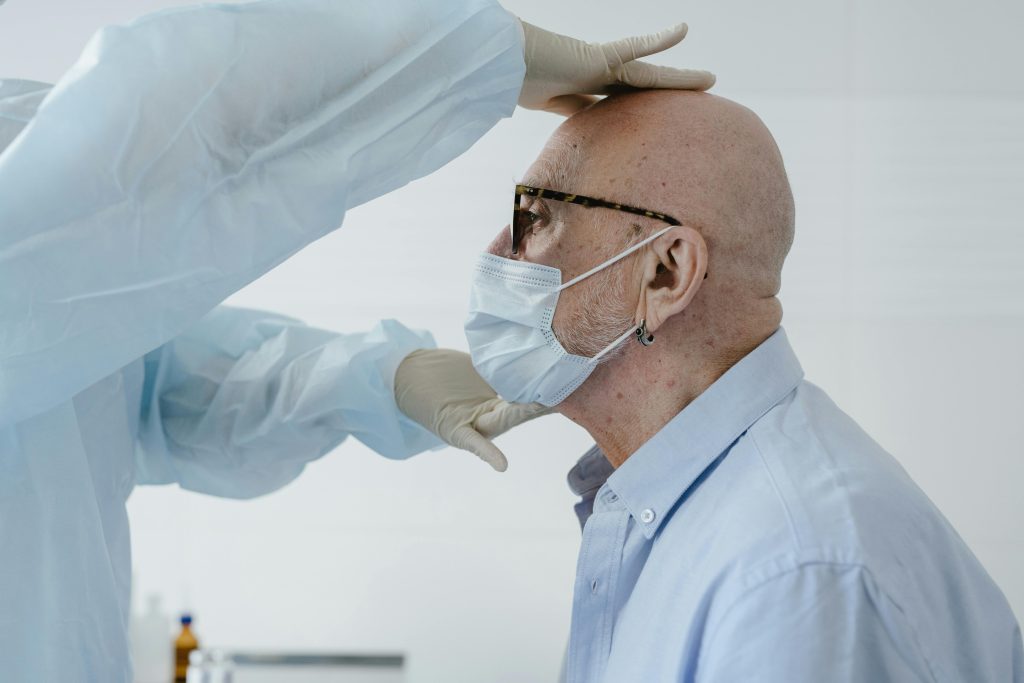
One of the most profound aspects of this 2026 discovery is the role of the eye in diagnosing a disease traditionally hidden behind the skull. In the world of Intellectual Honesty, we have often looked for ways to “see” into the brain without invasive procedures. The Cedars-Sinai team, led by Maya Koronyo-Hamaoui, PhD, has now proven that the retina—the light-sensitive tissue at the back of the eye—is a direct surrogate for the brain.
The Retinal Invasion: A Secret Pathway
For the first time, scientists showed that Chlamydia pneumoniae can travel to and persist in the retina for years. This isn’t just a localized infection; it is a gateway to neurodegeneration.
- Bacterial Persistence: The bacterium settles in the eye and the brain, sparks chronic inflammation, and hides from the standard immune response.
- Inflammatory Cascades: Once in the retina, it activates immune responses (specifically the NLRP3 inflammasome) tied to the loss of nerve cells and declining cognitive function.
- Noninvasive Prediction: Because the eye reflects brain pathology, retinal imaging is emerging as a critical, noninvasive way to identify people at risk for Alzheimer’s years before symptoms appear.
A Comparative Analysis: From 104 Lenses
The research team analyzed retinal tissue from 104 individuals across the cognitive spectrum—from normal cognition to mild impairment and full Alzheimer’s.
- The Alzheimer’s Signature: Those diagnosed with Alzheimer’s had significantly higher levels of the bacterium in both their retinas and brains compared to healthy controls.
- Severity Markers: The data showed a direct correlation: the higher the bacterial load, the more severe the brain damage and the faster the cognitive decline.
2. The APOE4 Intersection: Why Genetics Make Infection More Dangerous
As a specialist in Personalized Medicine, I often emphasize that our genes are not our destiny, but they do dictate our biological vulnerabilities. The Cedars-Sinai study found a striking link between the bacterium and the APOE4 gene variant—the well-known genetic high-risk factor for Alzheimer’s.
Compounded Vulnerability: The “Double-Hit” Hypothesis
Individuals carrying the APOE4 gene were found to have even higher levels of Chlamydia pneumoniae. In my clinical view, this suggests a “Double-Hit” scenario:
- Barrier Failure: APOE4 may make the blood-brain barrier (and the retinal barrier) more permeable, allowing infections like Chlamydia pneumoniae to slip through more easily.
- Clearing Failure: Once the bacterium enters, the APOE4 brain is less efficient at clearing the resulting inflammation and amyloid-beta buildup.
In my practice, if a patient knows they are an APOE4 carrier, our focus on Systemic Resilience becomes laser-targeted. We don’t just wait for memory lapses; we actively screen for and treat chronic sinus or respiratory infections that could be seeding the brain with this hidden threat.
3. The Molecular Mechanic: How Infection Fuels Amyloid-Beta
To confirm the human findings, the researchers moved into the lab, studying human nerve cells and animal models of Alzheimer’s. The results provided a clear mechanical explanation for how Chlamydia pneumoniae drives the disease.
The Triggering of Amyloid-Beta
In both cell cultures and mouse models, infection with the bacterium stimulated the production of amyloid-beta, the hallmark protein that builds up and forms plaques in the Alzheimer’s brain.
- Nerve Cell Death: The infection led to increased inflammation and accelerated the death of neurons.
- Cognitive Worsening: In mouse models, the presence of the bacterium directly worsened memory and learning problems.
Targeting the “Infection-Inflammation Axis”
“This discovery raises the possibility of targeting the infection-inflammation axis to treat Alzheimer’s,” says Timothy Crother, PhD. This means that in 2026, we are looking at a future where:
- Early Antibiotics: Targeted antibiotic use could potentially clear these long-standing bacterial reservoirs before they trigger irreversible damage.
- Anti-Inflammatory Therapies: New treatments designed to calm the NLRP3 inflammasome response could protect the brain and eye even if an infection has already occurred.
4. Dr. Marie’s 2026 Protocol: A Systemic Approach to Brain Defense
The Cedars-Sinai research reminds us that the body is a unified system. We cannot protect the brain if we ignore the eyes or the respiratory system. In my Full Circle protocol, we integrate these findings into a proactive defense strategy.
1. Retinal Health as a Primary Biomarker
We are now moving toward a standard of care where retinal scans are used as a “Brain Checkup.” If we see early signs of bacterial load or chronic inflammation in the eye, we intervene with aggressive neuro-protective strategies immediately.
2. The Chronic Infection Audit
In my practice, we perform an “Infection Audit” for seniors. We don’t dismiss that lingering sinus issue or recurring bronchitis.
- Precision Testing: We look for markers of chronic Chlamydia pneumoniae exposure.
- Targeted Treatment: Utilizing specific anti-inflammatory and, where appropriate, antimicrobial protocols to clear the systemic burden.
3. The 10-Minute “Newcastle Burst”
As we discussed regarding the Newcastle University study, 10 minutes of intense exercise triggers DNA repair genes like PNKP.
- The Synergy: Exercise improves blood flow and immune surveillance, helping the body’s “janitorial crew” clear out infections and the amyloid-beta they trigger.
4. Vascular Integrity and Environmental Shields
As seen in the Emory University study, air pollution (PM2.5) is a risk factor for Alzheimer’s.
- The Shield: By keeping our vascular system strong through proper nutrition and supplements like Vitamin D (>40 ng/mL) and Flavanols, we strengthen the barriers that prevent bacteria like Chlamydia pneumoniae from reaching the brain and retina.
5. A New Frontier in Alzheimer’s Prevention
The 2026 Cedars-Sinai study is a masterclass in Precision Geroscience. It proves that we are not merely victims of time; we are participants in a complex biological environment that we can influence.
- The Bacterium: Chlamydia pneumoniae is a common pneumonia bacterium that fuels Alzheimer’s.
- The Window: The retina serves as a surrogate for the brain and a vital tool for noninvasive early detection.
- The Genetic Link: APOE4 carriers are more susceptible to this bacterial “fuel.”
- The Opportunity: Addressing chronic infection and inflammation offers a new, tangible way to fight cognitive decline before it takes hold.
How I Can Help You Navigate the “Infection-Inflammation” Frontier
At Puente Costa Blanca, we don’t just manage symptoms; we interpret the latest 2026 research to build your personalized Precision Longevity plan.
Online Medical Consultations (Philippines & Global)
For my global community, I offer secure, 24/7 consultations via SeriousMD.
- Neuro-Infection Audit: Reviewing your history of respiratory issues alongside your cognitive markers.
- Vascular & Genetic Profiling: Helping APOE4 carriers build a “Systemic Shield” against environmental and bacterial triggers.
BOOK YOUR MEDICAL CONSULTATION NOW ON SERIOUSMD
Geriatric Rehab & Anti-Aging Clinic (Alicante & Costa Blanca, Spain)
For the international community in Spain, we specialize in the “Integrated Neuro-Physical Training” required for long-term functional autonomy.
Visit our local sites: Puente Costa Blanca (.com) | Puente Costa Blanca (.es)
Our Specialized Services in Spain:
- Neuro-Functional Training: Specific brain-body drills (like the Johns Hopkins SOP training) combined with metabolic and immune optimization.
- Sarcopenia & Vitality: Building the physical strength that supports the immune health necessary to fight chronic infections.
- Autonomy & Comfort: Proving that even with genetic risks, proactive choices can rewrite your health destiny.
Final Thoughts from Dr. Marie
The idea that a common bacterium could be fueling Alzheimer’s is both a challenge and a gift. It is a challenge because it means we must be more vigilant about our respiratory and immune health throughout our lives. But it is a gift because it gives us one more switch to flip in the fight for our cognitive future. By treating the eye as a window and the body as a whole, we can identify risks early and intervene effectively.
Let’s flip your switches and protect your future together.
Dr. Marie Gabrielle A. Laguna, MSc, M.D., FPCP, FDip (Geriatric Rehab, UK) Internal Medicine & Senior Health Specialist