In my two decades of clinical practice—whether I am consulting with families in the Philippines or working with the vibrant international community in Alicante, Spain—constipation remains one of the most persistent, frustrating, and unfortunately “taboo” complaints I encounter. For years, the standard medical response has been a revolving door of fiber supplements, osmotic laxatives, and stool softeners. Yet, for millions, these interventions offer only fleeting relief or fail entirely, leaving patients feeling bloated, sluggish, and ignored by conventional medicine.
As we move through March 2026, a landmark study from Nagoya University, published in Gut Microbes, has finally identified the “smoking gun” behind treatment-resistant constipation. It isn’t just a matter of “sluggish” muscles or localized nerve damage; it is a metabolic hijacking of the gut’s own lubrication system by specific microbial residents.
Scientists have discovered a bacterial “tag team” that systematically eats the protective mucus layer of the colon. This finding doesn’t just change how we treat digestive health; it provides a profound biological explanation for why constipation is often the very first symptom of Parkinson’s Disease, appearing decades before the first tremor. As your health thought partner, I want to take you deep into this “Mucus Mystery” and show you how we are rewriting the longevity roadmap from the gut up.
1. The Biological “Slip-and-Slide”: Why Mucin is the Unsung Hero of the Gut
To understand why chronic constipation treatments fail, we have to look past the muscles and nerves and focus on Colonic Mucin. In my clinic, I often describe mucin as the biological “slip-and-slide” of your digestive tract. Without it, the entire system grinds to a halt, regardless of how much “pushing” the muscles do.
The Critical Role of the Mucin Barrier
The walls of your large intestine are lined with a thick, gel-like coating of mucin. This substance is not just “slime”; it is a sophisticated hydrogel that serves three critical roles in Systemic Resilience:
- Lubrication: It keeps the stool moist and slippery, allowing it to glide through the curves of the colon without friction.
- Physical Shielding: It acts as a protective barrier, preventing trillions of bacteria from coming into direct contact with your delicate intestinal lining.
- Hydration Control: It traps water within the stool matrix, ensuring it doesn’t transform into a hard, dry “brick” that is impossible to pass.
Why Traditional Laxatives Hit a Dead End
Most laxatives on the market today focus on two mechanisms: motility (forcing the intestinal muscles to contract) or osmosis (drawing water into the colon). However, the 2026 Nagoya research highlights a fundamental flaw in this approach. If your gut bacteria are actively “eating the slide,” no amount of muscle contraction will help.
In my practice, we call this Bacterial Constipation. When the mucin is gone, the stool loses its moisture and literally adheres to the intestinal walls. It becomes dry, hard, and effectively “glued” in place. This is why patients with Chronic Idiopathic Constipation (CIC) often feel like they are pushing against a brick wall despite taking high doses of stimulants. They don’t have a “movement” problem; they have a “lubrication” problem.
2. The Bacterial Sabotage: Meet the Mucus-Eating “Tag Team”
The research team at Nagoya University, led by Tomonari Hamaguchi, identified a precise, two-step microbial operation that dismantles your gut’s defenses. This isn’t the work of a single “bad” germ; it is a partnership between two common gut residents that, when overgrown, become saboteurs.
Step 1: The Shield-Stripper (Bacteroides thetaiotaomicron)
Under normal circumstances, your mucin is “sulfated.” This means it has sulfate groups attached to its molecular structure that act like a chemical suit of armor. Most gut bacteria simply cannot digest sulfated mucin; it’s too tough for them to break down.
- The Sabotage: Bacteroides thetaiotaomicron (B. theta) produces a specific enzyme called sulfatase.
- The Action: This enzyme “strips” the sulfate armor off the mucin. B. theta doesn’t necessarily feast on the mucus itself; it just makes the mucus vulnerable to the rest of the pack.
Step 2: The Mucin Consumer (Akkermansia muciniphila)
Once the armor is stripped, the second player enters the fray. Akkermansia muciniphila is often hailed in “health” circles for its role in metabolic health, but in the context of constipation, it can become an over-eager consumer.
- The Action: It feasts on the now-defenseless, de-sulfated mucin.
- The Result: Together, this duo rapidly depletes the mucus layer. In the study, mice colonized with this bacterial pair showed a dramatic drop in mucin levels, leading to stool that was significantly harder, drier, and more difficult to pass than in healthy controls.
“The root problem is the loss of this protective mucus rather than sluggish intestinal movement… This explains why standard laxatives designed to stimulate gut motion may not provide relief.” — Nagoya University Research Team
3. The Parkinson’s Premonition: When the Gut Signals the Brain’s Future
As an expert in Geroscience and the Gut-Brain Axis, the most staggering part of this 2026 discovery is the definitive link to neurodegeneration. We are beginning to see that the gut isn’t just a digestive organ; it is a 20-year early warning system for the brain.
Constipation as a “Prodromal” Signal
It has long been a clinical mystery why up to 80% of Parkinson’s patients suffer from severe, chronic constipation—often 20 to 30 years before they ever develop a hand tremor or a shuffling gait. Traditionally, we blamed this on the “dying off” of nerves in the gut (the enteric nervous system).
A Microbial Driver of Neuro-Inflammation
The Nagoya study found that Parkinson’s patients have significantly higher levels of this mucus-eating bacterial tag team. This suggests a new, terrifyingly logical pathway for the disease:
- Mucus Depletion: The bacteria destroy the barrier.
- Increased Permeability: With the “shield” gone, toxins and inflammatory bacterial byproducts (like LPS) leak into the gut wall.
- Alpha-Synuclein Clumping: This localized inflammation triggers the misfolding of proteins like alpha-synuclein in the gut’s nerves. These misfolded proteins then travel up the Vagus Nerve like a slow-moving train, eventually reaching the brain’s motor centers.
By identifying “Bacterial Constipation” in a patient’s 50s, we may have a window of opportunity to intervene decades before the brain is irreversibly damaged.
4. The 2026 Treatment Paradigm: From Pushing Stool to Protecting Mucin
The Nagoya team didn’t just find the problem; they tested a revolutionary 2026 solution. Using genetic engineering, they created a version of B. theta that could no longer activate the sulfatase enzyme.
The Results of the “Enzyme Blockade”
When mice were given these modified bacteria—the ones that couldn’t strip the mucin’s armor—the results were immediate and profound:
- The mucin layer remained intact and thick.
- The stool remained moist and moved easily.
- Constipation was prevented entirely.
This discovery opens the door for a brand-new class of medications: Sulfatase Inhibitors. Instead of forcing the bowels to move through painful contractions, these drugs would stop bacteria from eating the gut’s “oil.” This allows the body to move waste naturally and comfortably, while simultaneously protecting the nervous system from the inflammation caused by a compromised barrier.
| Treatment Strategy | Focus | Effectiveness in “Bacterial Constipation” |
| Stimulant Laxatives | Forcing muscle movement | Low (Does not fix friction/dryness) |
| Fiber Supplements | Adding bulk to stool | Mixed (Can worsen “dry bricks” without mucus) |
| Sulfatase Inhibitors | Protecting the Mucus Shield | High (Targets the microbial root cause) |
5. Dr. Marie’s “Mucus Shield” Protocol: Actionable Steps Today
In my practice, we don’t wait for “someday” drugs. We use the latest science to flip your genetic and microbial switches today. If you are struggling with “dry brick” constipation that doesn’t respond to laxatives, here is how we approach your Systemic Resilience.
1. Identify the “Friction” Signal
If you are taking motility drugs and your stool still feels “glued” or comes out as hard, dry pebbles, you likely have Bacterial Constipation. You are lacking lubrication, not movement. Stop “pushing” and start “protecting.”
2. Support Mucin Production with Nutrition
The body needs specific building blocks to create high-quality, “sulfated” mucin.
- Amino Acid Support: Mucin is rich in the amino acids Threonine and Serine. Ensure your diet includes lean proteins or targeted supplementation to provide these raw materials.
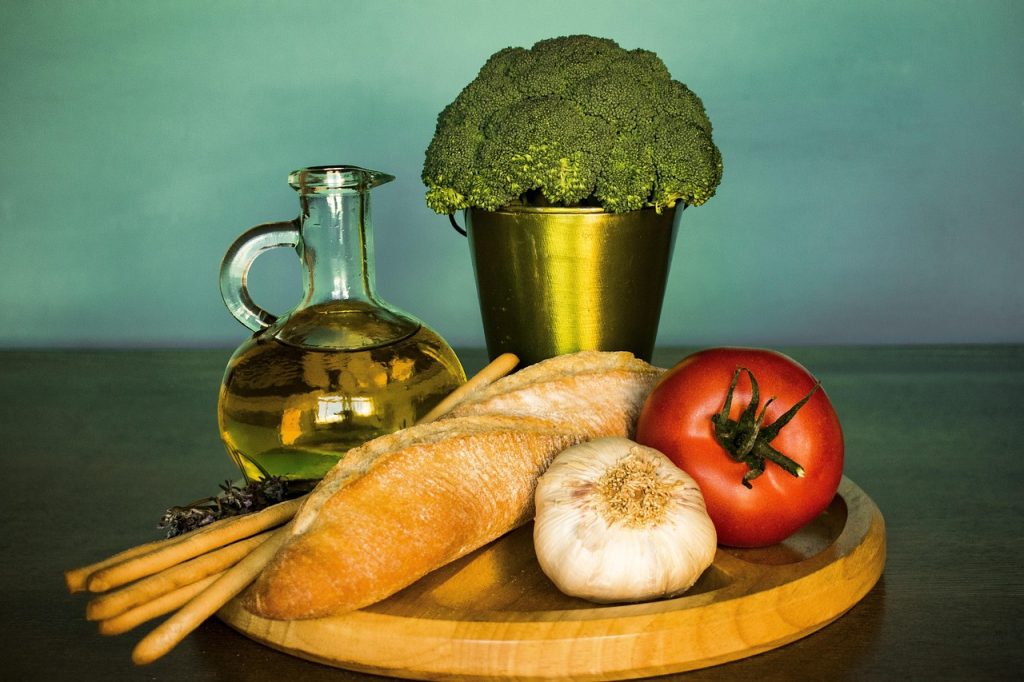
- Sulfur-Rich Foods: To “armor” your mucus, you need sulfur. I recommend my patients increase their intake of garlic, onions, and cruciferous vegetables (broccoli, kale, Brussels sprouts).
- Polyphenol Power: As seen in the Mediterranean Diet, olive oil and dark berries help regulate Akkermansia levels, preventing them from over-consuming the mucus layer.
3. The 10-Minute “Newcastle Burst”
We know from the Newcastle University study that brief, intense exercise triggers DNA repair and improves mitochondrial function. In the gut, this physical “burst” improves blood flow to the intestinal lining, providing the energy your cells need to pump out new mucin constantly.
6. Protecting Your Biological “Slip-and-Slide”
The 2026 Nagoya University research represents a fundamental shift in Precision Geroscience.
- The Cause: Chronic constipation is often caused by a bacterial “tag team” stripping and eating the gut’s protective mucus layer.
- The Culprits: B. thetaiotaomicron (the shield-stripper) and A. muciniphila (the consumer).
- The Parkinson’s Link: High levels of these bacteria may be a 20-year early warning sign of neurodegeneration and brain weathering.
- The Future: New 2026 treatments will focus on blocking sulfatase enzymes to protect the colonic mucus barrier.
How I Can Help You Restore Your Gut Autonomy
At Puente Costa Blanca, we approach constipation as a systemic metabolic issue, not just a plumbing problem. We want to ensure your gut is a fortress, not a gateway for decline.
Online Medical Consultations (Philippines & Global)
For the global community, I offer secure, 24/7 consultations via SeriousMD.
- Microbiome & Mucin Audit: Reviewing your symptoms to differentiate between “Sluggish Bowels” and “Bacterial Constipation.”
- Neuro-Protective Roadmap: Specifically for those with a family history of Parkinson’s, we design protocols to protect the gut-brain axis before motor symptoms appear.
- CKM Synergy: Ensuring your gut health supports your cardiovascular and metabolic markers for a longer, more vibrant life.
BOOK YOUR MEDICAL CONSULTATION NOW ON SERIOUSMD
Geriatric Rehab & Anti-Aging Clinic (Alicante & Costa Blanca, Spain)
For the international community in Spain, we specialize in the “Integrated Neuro-Physical Training” required for long-term health and autonomy.
Visit our local sites: Puente Costa Blanca (.com) |Puente Costa Blanca (.es)
Our Specialized Services in Spain:
- Gut-Brain Axis Training: Specific protocols that utilize the “10-Minute Newcastle Burst” to improve blood flow to the gut, supporting constant mucus production.
- Vitality & Autonomy: Helping you transition from “laxative dependence” to microbial balance and natural movement.
- Proactive Geroscience: Using 2026 technology to shield your nervous system from the ground up, ensuring you enjoy every sunrise on the Costa Blanca.
Final Thoughts from Dr. Marie
The idea that your gut bacteria are “eating your slide” is a profound shift in how we view constipation. It reminds us that our health is a delicate, ongoing negotiation with the trillions of microbes inside us. By learning to protect our colonic mucus, we aren’t just improving our digestion today; we are potentially shielding our brains for the next 30 years.
Let’s flip your microbial switches and protect your future together.
Dr. Marie Gabrielle A. Laguna, MSc, M.D., FPCP, FDip (Geriatric Rehab, UK) Internal Medicine & Senior Health Specialist