In my two decades of clinical practice—whether I am consulting with families in the Philippines or working with the vibrant international community in Alicante, Spain—I have always told my patients that the body is not a collection of separate departments. It is a unified, conversational ecosystem. For years, we viewed the brain as a “walled city,” protected by the blood-brain barrier (BBB) and largely indifferent to what the liver or muscles were doing, so long as they provided glucose.
However, as we move through March 2026, a groundbreaking study from the University of California, San Francisco (UCSF), published in Cell, has completely rewritten the manual on neuro-protection. It turns out that when you exercise, your liver actually sends “molecular repair crews” to the brain’s gates.
This research, led by Saul Villeda, PhD, identifies a body-to-brain pathway that could be the “missing link” in Alzheimer’s prevention. It isn’t just about blood flow; it’s about a specific liver enzyme called GPLD1 that acts as a pair of molecular scissors, trimming away the “rust” that makes our brain’s protective shield leaky with age.
1. The “Leaky Fortress” Phenomenon: Why Age Weakens the Brain’s Shield
To understand the UCSF breakthrough, we first have to understand the Blood-Brain Barrier (BBB). In my clinic, I describe the BBB as the brain’s “Elite Border Control.” It is a tightly packed network of blood vessels designed to let in nutrients while keeping out toxins, pathogens, and inflammatory “noise” from the rest of the body.
The Erosion of the Shield
As we age, this barrier becomes fragile. Think of it like an old window seal that has become dry and cracked.
- The Leak: Small, harmful compounds that should stay in the blood begin to “seep” into the brain tissue.
- The Fire: This seepage triggers a state of chronic neuro-inflammation.
- The Decline: This inflammation is a primary driver of the “weathering” we see in Alzheimer’s disease and general cognitive decline.
Until now, we didn’t have a clear way to “re-seal” this window once the cracks began to show. We focused on clearing the amyloid “trash” inside the house, but we weren’t fixing the broken windows that let the cold and rain in.
2. The GPLD1 Mystery: The Liver’s Unexpected Role in Neuro-Rejuvenation
Several years ago, Dr. Villeda’s team noticed something strange in exercising mice: their livers were pumping out high levels of an enzyme called GPLD1. Mice with more GPLD1 had sharper memories and younger-looking brains.
The Molecular Puzzle
There was one major problem with the initial data: GPLD1 is too large to cross the blood-brain barrier. It couldn’t actually enter the brain to perform any repairs. This led to a years-long search for the “middleman”—how does a liver enzyme that stays in the blood fix a brain it cannot even touch?
The “Exerkine” Discovery
In 2026, we now use the term Exerkine to describe signaling molecules released into the blood in response to exercise. The UCSF team discovered that GPLD1 doesn’t need to enter the brain; it only needs to reach the outer surface of the blood vessels surrounding the brain.
It turns out the liver isn’t just a filter; it’s a pharmacy. When you move your body, your liver notes the metabolic demand and releases GPLD1 as a systemic “repair signal.”
3. Trimming the TNAP: How Molecular Scissors Seal the Barrier
The real “eureka” moment of the 2026 study came when researchers identified the target of GPLD1: a protein called TNAP (Tissue-Nonspecific Alkaline Phosphatase).
The Villain: TNAP Buildup
As we age, TNAP begins to accumulate on the cells that form the blood-brain barrier. You can think of TNAP as “biological rust” that builds up on the hinges of the brain’s gates.
- The Damage: High levels of TNAP make the blood vessels stiff and “leaky.”
- The Result: The barrier fails, and inflammation floods the brain.
The Hero: GPLD1 as Molecular Scissors
The UCSF researchers found that GPLD1 has a very specific job: it is a “protease” that acts like molecular scissors.
- The Encounter: GPLD1 travels through the bloodstream to the vessels of the brain.
- The Cut: It “trims” the excess TNAP off the surface of the barrier cells.
- The Repair: By removing the “rust” (TNAP), GPLD1 restores the integrity of the barrier, effectively “sealing” the leaks.
In experiments where young mice were genetically engineered to have high TNAP, they showed memory loss and “old” brains. Conversely, when old mice (the equivalent of 70-year-old humans) had their TNAP levels reduced, their brain inflammation plummeted, and their memory scores soared.
4. Reversing the Clock: Can We Repair the 70-Year-Old Brain?
The most encouraging part of this research for my patients in their 60s, 70s, and 80s is that this mechanism still works late in life.
The “Late-Stage” Intervention
“We were able to tap into this mechanism late in life… and it still worked,” says Gregor Bieri, PhD. This provides a massive dose of Intellectual Honesty to our geriatric protocols. It suggests that we don’t necessarily need to have been elite athletes in our 20s to benefit from this liver-to-brain pathway today.
From Mice to Humans: The 2026 Clinical Horizon
By using these findings, 2026 researchers are already looking into:
- TNAP-Inhibitors: Drugs that mimic the “trimming” action of GPLD1 for those who are physically unable to exercise.
- Blood Biomarkers: Measuring your systemic GPLD1 levels to predict your brain’s “barrier health” before symptoms appear.
- Precision Geriatrics: Tailoring the intensity of movement to ensure the liver is actually “flipping the switch” on GPLD1 production.
5. Dr. Marie’s 2026 Protocol: Activating Your Internal Repair Crew
While we wait for the first “Exercise in a Pill” (TNAP-trimming medications), we can use this science to optimize our Systemic Resilience today. This is the heart of my Full Circle approach.
1. The “Liver-Brain” Movement Strategy
The UCSF study confirms that the type of movement matters. We need to signal the liver.
- The Protocol: Consistent, moderate-to-vigorous aerobic activity is the best trigger for GPLD1.
- The “Newcastle Burst” Synergy: Integrating the 10-minute bursts we discussed from the Newcastle University research creates the metabolic demand that prompts the liver to release these protective exerkines.
2. Protecting the Liver-Brain Axis
You cannot have a healthy brain if you have a “sluggish” liver.
- Metabolic Integrity: Address Metabolic Dysfunction-Associated Steatotic Liver Disease (MASLD)—formerly known as Fatty Liver—through nutrition. A liver clogged with fat cannot effectively produce or release GPLD1 repair crews.
- Nutrition: Prioritize the Mediterranean Diet, which supports both liver health and vascular integrity.
3. Monitoring the “Leaky” Signals
In 2026, we look at the CKM Syndrome (Cardiovascular-Kidney-Metabolic) markers. If your vascular markers are poor, your blood-brain barrier is likely under stress.
- The Barrier Shield: Ensure your blood pressure is optimized (130/80). High pressure “beats up” the barrier, making the job of GPLD1 much harder.
Summary: A New Frontier in Alzheimer’s Prevention
The 2026 UCSF study is a masterclass in Precision Geroscience. It proves that we have a hidden defense system in our own blood.
- The Body-to-Brain Pathway: Exercise prompts the liver to release GPLD1.
- The Mechanism: GPLD1 trims away the TNAP “rust” that makes the blood-brain barrier leaky.
- The Result: A sealed barrier reduces inflammation and improves memory, even in late age.
- The Opportunity: By focusing on the body, we may have found the most effective way to protect the brain.
How I Can Help You Harness the “Exerkine” Advantage
At Puente Costa Blanca, we don’t just treat the brain in isolation. We treat the Unified Ecosystem of your health.
Online Medical Consultations (Philippines & Global)
For my global community, I offer secure, 24/7 consultations via SeriousMD.
- Metabolic-Liver Audit: Assessing your liver health and metabolic profile to ensure your “repair crew” is ready to work.
- Neuro-Vascular Roadmap: Designing a precision movement and nutrition plan to seal your blood-brain barrier and protect your memory.
BOOK YOUR MEDICAL CONSULTATION NOW ON SERIOUSMD
Geriatric Rehab & Anti-Aging Clinic (Alicante & Costa Blanca, Spain)
For the international community in Spain, we bridge the gap between advanced research and daily functional autonomy.
Visit our local sites: Puente Costa Blanca (.com) |Puente Costa Blanca (.es)
- Neuro-Functional Training: Specific drills designed to stimulate the liver-brain axis through calibrated movement.
- Sarcopenia & Vitality: Building the physical strength that supports the liver and cardiovascular systems.
- Autonomy & Comfort: Proving that your “biological clock” is something you can influence through your choices.
Final Thoughts from Dr. Marie
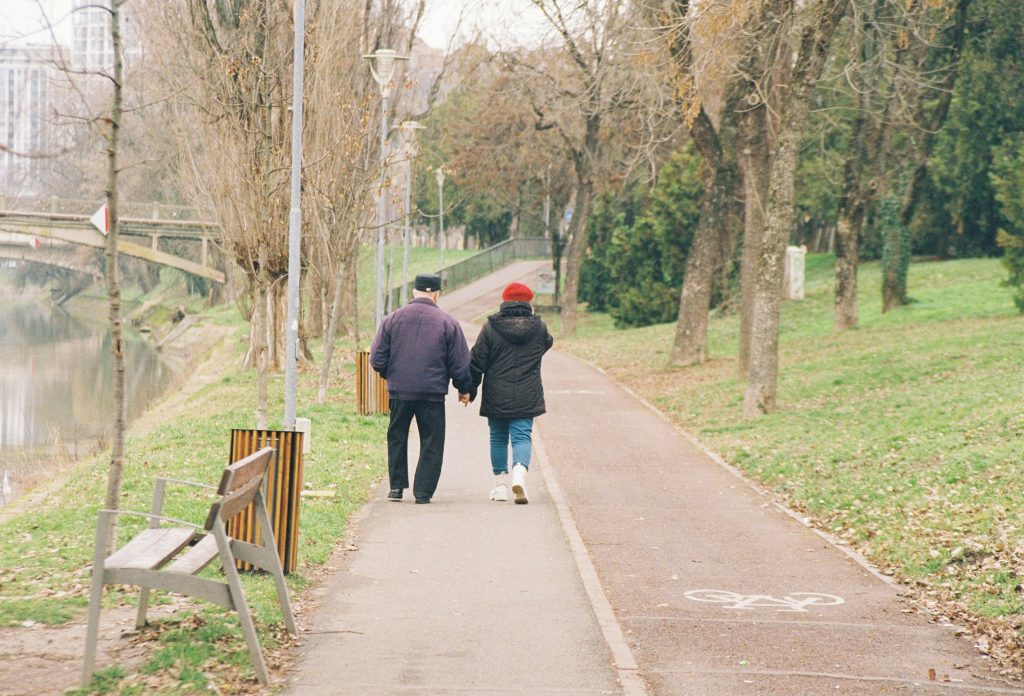
The realization that your liver is actively working to protect your memory is one of the most empowering discoveries of 2026. It reminds us that every walk, every swim, and every healthy meal is a “repair signal” sent to your brain’s fortress. You aren’t just “staying fit”; you are sealing the gates of your mind.
Let’s flip your switches and protect your future together.
Dr. Marie Gabrielle A. Laguna, MSc, M.D., FPCP, FDip (Geriatric Rehab, UK) Internal Medicine & Senior Health Specialist