In my two decades of clinical practice as an internal medicine and senior health specialist, I have frequently observed that the numbers on a patient’s birth certificate rarely tell the whole story of their health. We see 50-year-olds with the metabolic profile of a centenarian and 80-year-olds who possess the vitality of someone decades younger. In the world of geroscience, we call this the gap between chronological age and biological age.
A fascinating study published in the journal Aging (December 2025) by researchers at King’s College London has uncovered a surprising molecular ally in the quest to close this gap. The researchers identified a specific plant compound found in dark chocolate—theobromine—that is linked to staying biologically younger for longer. As a physician-scientist with a research background in pharmacology and diabetes as a driver of accelerated aging, I find this research both elegant and practically significant for how we view nutrition as medicine.
1. Biological vs. Chronological Age: The Molecular Clock
To understand the impact of theobromine, we must first understand how modern medicine now “measures” aging. Chronological age is simply the passage of time. Biological age, however, is a measurement of how well your cellular machinery is holding up under the stresses of life.
The King’s College team used two primary methods to assess this:
DNA Methylation (The Epigenetic Clock)
Our DNA is not a static blueprint; it is more like a musical score. Over time, tiny chemical tags called “methyl groups” attach to our DNA, acting like switches that turn genes on or off. This pattern of tags—DNA methylation—shifts predictably as we grow older. By analyzing these patterns through advanced epigenomics, scientists can determine your “epigenetic age.”
Telomere Length
At the ends of our chromosomes are protective caps called telomeres. Every time a cell divides, these caps shorten slightly. When they become too short, the cell enters a state of “senescence,” meaning it can no longer function or repair itself, leading to tissue aging and frailty.
The study analyzed data from over 1,600 participants (from the TwinsUK and KORA cohorts) and found that those with higher levels of theobromine in their blood appeared significantly “younger” according to these molecular markers.
2. What is Theobromine? The Secret Power of Cocoa
Theobromine is an alkaloid—a natural plant compound—found in cocoa beans. While it is chemically related to caffeine, its effects on the human body are distinct and often more favorable for long-term health. While caffeine provides a sharp, sometimes jittery “jolt” to the central nervous system, theobromine offers a more sustained, gentle stimulation.
In this study, theobromine stood out because it was the only compound among many cocoa and coffee metabolites that showed a statistically significant association with slower aging. This suggests that theobromine may have a unique “cross-talk” with our epigenome, helping to preserve youthful gene activity even as time passes.
3. The Pharmacology of Alkaloids and Longevity
In my studies of pharmacology (MSc), we often look at how natural alkaloids interact with cellular pathways. Theobromine belongs to a class of molecules called methylxanthines.
Beyond just being a “chocolate ingredient,” theobromine may influence aging through several pathways:
- Anti-inflammatory Effects: It helps in reducing “inflamm-aging,” the chronic low-grade inflammation that acts as a silent killer by accelerating biological decline.
- Oxidative Stress Reduction: It acts as a mild antioxidant to protect DNA and mitochondria from the damage caused by free radicals.
- Vasodilation: It helps widen blood vessels, which improves circulation and ensures that oxygen and nutrients reach the most distant tissues in the body.
For my patients managing Diabetes and Cardiometabolic disease, these pathways are critical. We know that diabetes acts as an “accelerant” for aging, often leading to premature frailty. If a compound like theobromine can help stabilize the epigenome and protect telomeres, it serves as a secondary defense against the damage caused by metabolic disorders.
4. The “Chocolate Paradox”: Why More Isn’t Always Better
As an internal medicine doctor, I must provide a gentle word of clinical caution. While this research is exciting, it is not a license to consume unlimited amounts of commercial chocolate. The context of theobromine delivery is vital.
Most chocolate products on the market are highly processed and contain:
- High Sugar Content: Excess sugar triggers glycation (AGEs), which accelerates skin and vascular aging—completely negating the benefits of theobromine.
- Saturated Fats: Which can impact lipid profiles in certain individuals if consumed in excess.
- Caloric Density: Excessive calorie intake can lead to obesity, one of the primary drivers of “accelerated biological aging.”
The “Clean Cocoa” Strategy
| Component | Effect on Aging | Recommendation |
| Theobromine | Slower Epigenetic Aging | Seek via high-percentage dark chocolate (70%+) |
| Sugar | Faster Glycation/Aging | Keep to a minimum (less than 5g per serving) |
| Polyphenols | Reduced Inflammation | Synergistic benefit found in raw cacao |
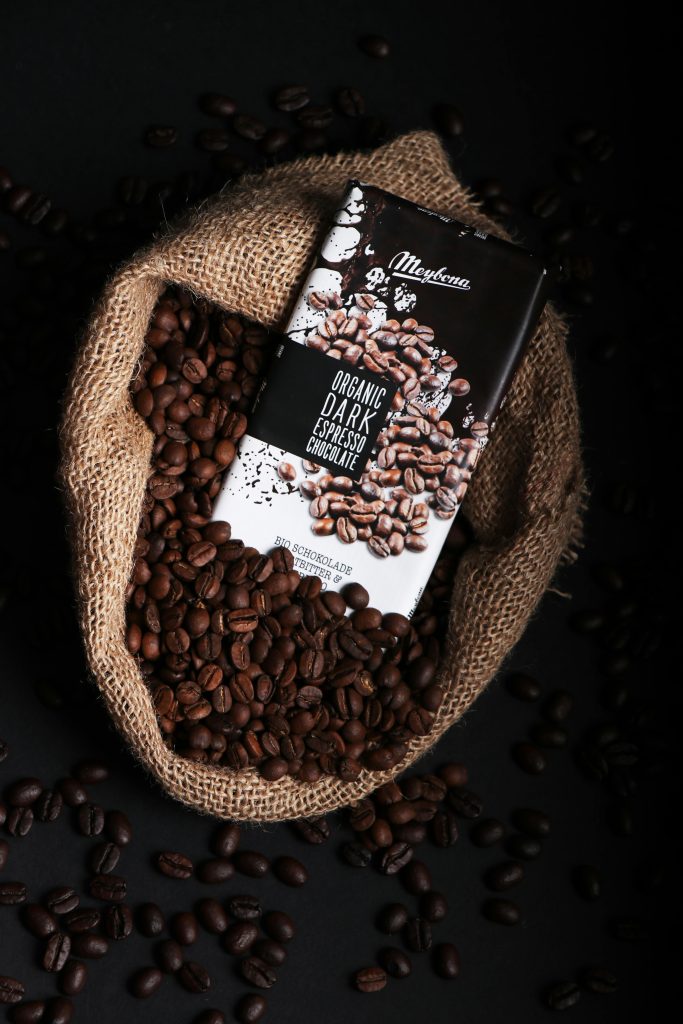
The goal is to find the “active ingredient” without the metabolic baggage. Choosing 85% to 90% dark chocolate or raw cacao nibs is often the best way to ensure you are getting the theobromine without the inflammatory sugar spike.
5. Geriatric Rehabilitation: Supporting the Physical Frame
In my work in geriatric rehabilitation, we focus on the Brain-Body Axis. We know that when the body stays biologically young at a cellular level, it remains more resilient to injury and recovers significantly faster from surgery or illness.
The findings from King’s College suggest that theobromine might help maintain the “functional reserve” of our tissues. For example, if your skin and muscle cells have more “youthful” DNA methylation patterns, they may proliferate better after an injury, leading to less scarring and faster recovery.
By combining the right nutritional support—like theobromine-rich cocoa—with Progressive Resistance Training (PRT), we create a powerful synergy. The nutrition protects the “software” (the DNA and gene expression), while the exercise maintains the “hardware” (the muscles, bones, and joints).
6. The Role of Epigenetics in Chronic Disease Management
Aging is often driven by “unbalanced genes.” As we age, our cells lose the ability to regulate which genes should be “on” and which should be “off.” This is where theobromine’s link to DNA methylation becomes so fascinating.
By supporting a more “youth-like” methylation pattern, theobromine may help prevent the “epigenetic drift” that leads to:
- Cellular Senescence: Preventing cells from turning into “zombie cells” that spread inflammation.
- Mitochondrial Dysfunction: Ensuring our cellular power plants continue to produce energy efficiently.
- Loss of Proteostasis: Helping the body clear out misfolded proteins that lead to diseases like Alzheimer’s.
7. Global Community: Longevity from the Philippines to Spain
Whether I am consulting with a patient in Iloilo or a resident in Alicante, the language of cellular aging is universal. In the Philippines, we have a long and beautiful tradition of Tablea (pure cacao). This traditional food is actually a potent source of theobromine, and it’s heartening to see modern science validate the “superfood” status of our local heritage.
In the Mediterranean, where I practice in Spain, dark chocolate is often a staple of the “longevity diet,” enjoyed in moderation alongside heart-healthy fats and fresh produce. The key across all cultures is the transition from viewing chocolate as a “guilty treat” to viewing it as functional nutrition.
8. Summary: A Life of Intentional Nutrition
The discovery that a simple molecule like theobromine can influence our DNA is a humble reminder of how connected we are to the food we eat. We are learning that nature has provided us with subtle, powerful tools to maintain our vitality—if only we learn how to use them wisely.
The King’s College study (2025) highlights that:
- Theobromine levels are a reliable marker for a younger biological age.
- It is unique among plant alkaloids in its association with slower epigenetic aging.
- It offers a molecular mechanism to support heart and metabolic health.
Aging is a natural process, but it doesn’t have to be a rapid decline. With the right movement, the right medical support, and perhaps a small square of very dark chocolate, we can all strive for a life of strength, clarity, and peace.
How I Can Help You Navigate the Science of Aging
Maintaining your health as you age is a holistic journey. It requires a balance between modern pharmacology, traditional nutrition, and structured physical recovery. I am here to help you bridge that gap.
Online Medical Consultations (Philippines & Global)
For our Filipino community and OFWs worldwide, I offer 24/7 secure, HIPAA-compliant consultations. Whether you are managing chronic diabetes, hypertension, or simply want a personalized plan to slow your biological aging, I am here to provide clear and compassionate guidance.
- Internal Medicine & Senior Health: Specialized care for adult health and longevity.
- Lab Result Interpretation: Understanding your markers (Cholesterol, HbA1c, etc.) through the lens of geroscience.
- Metabolic Planning: Designing a lifestyle that protects your epigenetic clock and cellular health.
BOOK YOUR CONSULTATION ON SERIOUSMD
Geriatric Rehab & Anti-Aging Clinic (Alicante & Costa Blanca, Spain)
For those in the Valencian Community, I provide specialized on-site and virtual services throughPuente Costa Blanca andpuentecostablanca.es.
Our Specialized Anti-Aging Services in Spain:
- Sarcopenia & Vitality (Sarcopenia y Vitalidad): Reversing muscle loss through Progressive Resistance Training (PRT) to build the physical foundation of longevity.
- Fall Prevention & Stability (Prevención de Caídas): Using Otago-based balance protocols to keep you moving safely and confidently.
- Neuro-Functional Training (Entrenamiento Neuro-Funcional): Dual-task drills that challenge the brain and body simultaneously, supporting cognitive maintenance and motor control.
- Autonomy & Comfort (Autonomía y Confort): Managing joint health, ergonomics, and joint mobility flows to ensure you can enjoy an active Mediterranean lifestyle without pain.
Final Thoughts from Dr. Marie
As we look toward the future of medicine in 2026, we are seeing the lines blur between “nutrition” and “pharmacology.” Ingredients like theobromine are proving that we can “tweak” the parameters of aging deep within our cells.
It is my privilege to be your thought partner in this journey. Let’s work together to keep your “longevity signals” strong, using the best that both nature and science have to offer.
Dr. Marie Gabrielle A. Laguna, MSc, M.D., FPCP, FDip (Geriatric Rehab, UK) Internal Medicine & Geriatric Specialist