In my two decades of clinical practice—from the bustling clinics of the Philippines to our longevity hub in Alicante, Spain—I have often told patients that treating Alzheimer’s by only looking at amyloid plaques is like trying to fix a city-wide power outage by only looking at one broken streetlight. We see the “debris,” but we miss the systemic collapse of the grid.
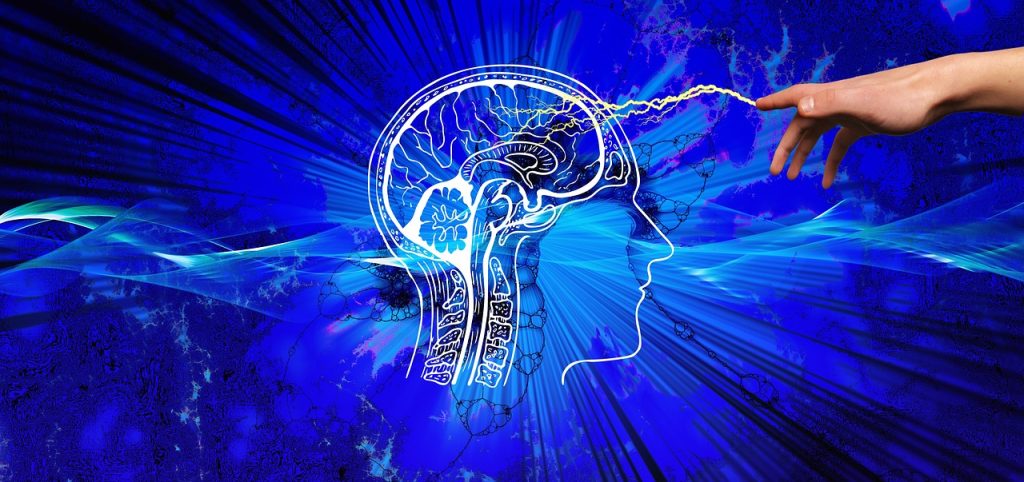
As we move through March 2026, a groundbreaking study from Rice University, published in ACS Applied Materials and Interfaces, has finally given us the “satellite view” of that grid. Using laser-based imaging and machine learning, researchers have produced the first label-free molecular atlas of the Alzheimer’s brain.
The verdict? Alzheimer’s is a sweeping chemical upheaval. It is a whole-brain metabolic disruption where cholesterol and energy reserves (glycogen) fail long before—and far beyond—the visible protein plaques.
1. The Technology: “Chemical Fingerprinting” Without the Dye
Traditional brain imaging often requires dyes or fluorescent tags to highlight specific proteins. While useful, these tags act like “blinders”—they only show you what you are looking for. The Rice University team used Hyperspectral Raman Imaging, which is fundamentally different.
Label-Free Clarity
- Unique Fingerprints: Every molecule has a unique vibrational “fingerprint” when hit by a laser. Raman imaging captures these thousands of times across a tissue slice.
- Unbiased Discovery: Because it uses no dyes, researchers saw the brain “as is.” This allowed them to discover chemical changes that weren’t previously on our radar because we didn’t have a “tag” for them.
- The AI Lens: Machine learning algorithms analyzed this mountain of data, identifying patterns of disease that the human eye (and standard microscopes) simply could not see.
2. Uneven Damage: Why Symptoms Appear Gradually
One of the study’s most significant findings is that Alzheimer’s damage is not spread evenly. This provides a moment of Intellectual Honesty for why some patients remain functional for longer while others decline rapidly.
The Regional Map of Disruption
The AI identified that some regions show intense chemical “storms,” while others remain relatively calm.
- The Hippocampus & Cortex: These memory-critical regions showed the most dramatic shifts.
- The Explanation for Symptom Creep: The uneven spread explains why a patient might struggle with short-term memory (hippocampal disruption) while their long-term habits or motor skills (less affected regions) remain intact.
3. Beyond Proteins: The Cholesterol and Energy Crisis
In my practice, we focus heavily on CKM Syndrome (Cardiovascular-Kidney-Metabolic link). This Rice University study validates that the brain is a metabolic organ first and foremost.
The Structural & Fuel Collapse
The atlas revealed major shifts in two key molecules:
- Cholesterol: Not the “bad” kind you hear about in heart disease, but the structural cholesterol essential for brain cell membranes. The study found this structure is fundamentally compromised across the Alzheimer’s brain.
- Glycogen: This is the brain’s local energy reserve. The imaging showed a massive disruption in how the brain stores and uses this fuel.
“Together, these findings support the idea that Alzheimer’s involves broader disruptions in brain structure and energy balance, not only protein buildup and misfolding.” — Shengxi Huang, Associate Professor, Rice University
4. Dr. Marie’s 2026 Protocol: Feeding the “High-Speed” Brain
If Alzheimer’s is an energy and structural crisis, our prevention must be systemic. We cannot wait for plaques to appear on a scan; we must protect the Metabolic Infrastructure today.
Protect the “Vascular Pipes”
Since cholesterol and energy are the issues, we must ensure the brain has a pristine supply line. Maintain a blood pressure of <130/80 and optimize your lipid profile to ensure the brain’s structural integrity isn’t being “weathered” by systemic inflammation.
The 10-Minute “Newcastle Burst”
As we’ve discussed regarding the Newcastle University research, 10 minutes of intense exercise triggers DNA repair. It also improves glucose and glycogen management. By pushing your metabolic limits briefly, you train your brain to manage its energy reserves more efficiently.
Precision Nutrition for Brain Structure
Support your brain’s “cholesterol architecture” with high-quality healthy fats (the Mediterranean Diet) and ensure your Vitamin D levels are >40 ng/mL to support the barriers that protect your brain’s delicate chemical balance.
Summary: A New Frontier in Precision Geroscience
The 2026 Rice University chemical atlas is a masterclass in Systemic Resilience.
- The Discovery: Alzheimer’s is a whole-brain metabolic upheaval, not just a plaque problem.
- The Mechanism: AI revealed widespread, uneven changes in cholesterol (structure) and glycogen (energy).
- The Target: The hippocampus and cortex are the epicenters of this chemical shift.
- The Future: Earlier diagnosis will likely focus on these “hidden” chemical fingerprints long before memory loss becomes severe.
How I Can Help You Navigate the “Molecular Atlas”
At Puente Costa Blanca, we don’t just wait for cognitive symptoms; we perform a “Systemic Audit” to ensure your brain’s city-wide grid is functioning at peak performance.
Online Medical Consultations (Philippines & Global)
For the global community, I offer secure, 24/7 consultations via SeriousMD.
- Metabolic Brain Audit: Reviewing your metabolic, vascular, and inflammatory markers through the lens of this new 2026 research.
- Precision Longevity Roadmap: Designing a plan to protect your brain’s energy reserves and structural integrity.
BOOK YOUR MEDICAL CONSULTATION NOW ON SERIOUSMD
Geriatric Rehab & Anti-Aging Clinic (Alicante & Costa Blanca, Spain)
For the international community in Spain, we specialize in the “Integrated Neuro-Physical Training” required to maintain your “High-Speed Brain.”
Visit our local sites: Puente Costa Blanca (.com) | Puente Costa Blanca (.es)
- Neuro-Functional Training: Specific drills designed to stimulate the cortex and hippocampus, supporting regional metabolism.
- Sarcopenia & Vitality: Building the muscle mass that acts as a “metabolic sink,” helping your body regulate the glucose and glycogen your brain needs.
Final Thoughts from Dr. Marie
The realization that Alzheimer’s is a “hidden layer” of chemical information finally gives us the tools to fight it properly. We are no longer just looking at the “debris” on the street; we are looking at the health of the entire city. By protecting your metabolism and your vascular health, you are protecting the very fingerprints of your memory.
Would you like me to draft the Brain Metabolism Audit to help you evaluate whether your current vascular and energy markers support your long-term cognitive resilience?
Dr. Marie Gabrielle A. Laguna, MSc, M.D., FPCP, FDip (Geriatric Rehab, UK) Internal Medicine & Senior Health Specialist