In my two decades of clinical practice as an internist and geriatric thought partner—whether I am consulting with families in the Philippines or working with the international community in Alicante, Spain—I have seen the profound emotional toll of Alzheimer’s disease. It is a condition that does not just take away memory; it gradually erodes the “synaptic forest” of the human experience.
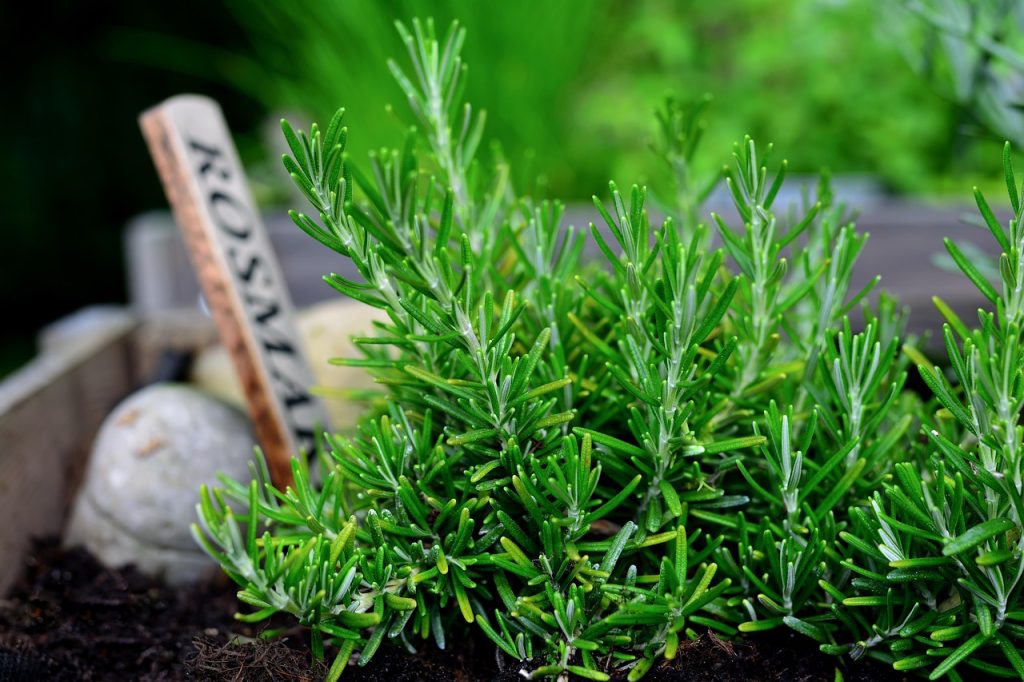
For centuries, folk wisdom has pointed toward nature for protection. In Shakespeare’s Hamlet, Ophelia famously remarks, “There’s rosemary, that’s for remembrance.” Historically, students in ancient Greece would wear garlands of rosemary while taking exams to boost their memory.
As we move through January 2026, science has finally caught up with this ancient intuition. A landmark study from the Scripps Research Institute, published in the journal Antioxidants in early 2025, has identified a way to turn a compound found in rosemary and sage—carnosic acid—into a stable, “smart” drug that can actually reverse cognitive decline in animal models. This breakthrough isn’t just a win for herbal medicine; it is a masterpiece of modern pharmacology that addresses the silent “rusting” of the brain known as neuro-inflammation.
1. The Stability Barrier: From Kitchen Herb to Clinical Pro-Drug
Carnosic acid has long been a “star” in the world of molecular biology. It is a powerful antioxidant and anti-inflammatory agent that possesses a rare ability: it can cross the blood-brain barrier (BBB). This is the primary hurdle for most neurological drugs; the brain is a highly protected vault, and few molecules have the “key” to enter.
The Problem with Pure Carnosic Acid
While pure carnosic acid is potent, it is biologically “fragile.” It oxidizes (chemically degrades) almost immediately when exposed to air or during the digestive process. For years, this instability made it impossible to use as a standardized drug. You could not guarantee that the active compound would survive the journey from the pharmacy shelf to the neurons of a patient.
The Solution: The Birth of diAcCA
Researchers at Scripps, led by Dr. Stuart Lipton and Dr. Phil Baran, utilized advanced chemical synthesis to create a “stable version” of the compound, which they named diAcCA.
- Chemical Shielding: diAcCA is a pro-drug, meaning it is a stable precursor that remains inactive while in storage.
- The Gut Transformation: Once ingested, the drug is fully converted back into pure, active carnosic acid within the digestive tract.
- Superior Bioavailability: The study found that mice took up 20% more carnosic acid when it was administered as diAcCA compared to the pure herb extract. This ensures that therapeutic doses actually reach the bloodstream and, ultimately, the brain.
2. The Nrf2 Pathway: Activating the Brain’s Internal Defense
How exactly does a rosemary-inspired compound fight a disease as complex as Alzheimer’s? It targets a master switch in our cells called the Nrf2 transcriptional pathway.
The “Master Switch” of Antioxidants
Nrf2 is the conductor of your body’s internal defense system. When activated, it enters the cell nucleus and “turns on” an entire library of protective genes. These genes produce antioxidants and anti-inflammatory enzymes that neutralize reactive oxygen species (ROS)—the “biological rust” that destroys brain cells.
A “Smart Drug” Activated by Inflammation
One of the most remarkable aspects of diAcCA is its selective activation. The drug is actually “triggered” by the very inflammation it is meant to fight.
- Targeted Action: It remains largely dormant in healthy parts of the brain.
- Selective Combat: It only becomes highly active in areas where inflammatory damage is occurring.
- Safety Profile: Because it doesn’t “over-medicate” healthy tissue, it limits potential side effects. This is a critical advantage in geriatric medicine, where patients are often highly sensitive to pharmacological side effects.
3. Rebuilding the Synaptic Forest: Beyond Plaques and Tangles
For thirty years, Alzheimer’s research focused almost exclusively on the “Amyloid Hypothesis”—the idea that clearing protein plaques (amyloid-beta) would cure the disease. However, we have learned that clearing plaques is not enough. To restore memory, we must protect and rebuild the synapses (the microscopic gaps where neurons communicate).
Reversing the Decline
In the Scripps study, mouse models with advanced Alzheimer’s symptoms were treated with diAcCA over three months. The microscopic analysis of their brain tissue revealed several staggering shifts:
- Increased Synaptic Density: The number of connections between neurons actually increased. This is akin to a dying forest suddenly growing new branches and leaves.
- Protein Cleanup: The drug notably decreased levels of phosphorylated-tau and amyloid-beta, which are the toxic proteins that trigger the disease.
- Memory Restoration: In spatial learning and memory tests, the treated mice improved “virtually back to normal.”
“We actually increased the number of synapses in the brain… It didn’t just slow down the decline; it improved memory virtually back to normal.” — Dr. Stuart Lipton, Scripps Research
4. The ARIA Solution: Synergizing with Current Antibody Treatments
Currently, the most “modern” Alzheimer’s treatments involve amyloid antibodies (like Lecanemab or Donanemab). While these are a step forward, they carry significant risks known as ARIA (Amyloid-Related Imaging Abnormalities), which include brain swelling (ARIA-E) and tiny brain bleeds (ARIA-H).
Making Current Drugs Safer
Dr. Lipton believes that diAcCA could be the perfect partner for these existing treatments.
- Reducing Swelling: By “cooling” the brain’s inflammatory environment, diAcCA may limit the swelling and bleeding caused by antibody therapies.
- Dual-Action Therapy: While the antibodies “clean the floor” (remove the amyloid), diAcCA “repairs the walls” (boosts Nrf2 and builds synapses).
5. The “Metabolic Weathering” Connection: A Universal Anti-Inflammatory?
As a specialist in CKM Syndrome (the link between the heart, kidneys, and metabolism), I see Alzheimer’s as the final stage of “Metabolic Weathering.” The brain does not exist in a vacuum; it is susceptible to the same “rusting” that affects our arteries and kidneys.
Potential for Other Chronic Diseases
The activation of the Nrf2 pathway isn’t just good for the brain; it is a systemic “fire extinguisher.” The researchers believe diAcCA could eventually be explored for:
- Type 2 Diabetes: Reducing the systemic inflammation that drives insulin resistance.
- Heart Disease: Protecting the endothelial lining of the heart from oxidative stress.
- Parkinson’s Disease: Guarding dopaminergic neurons from the inflammatory damage that leads to tremors and motor loss.
6. Sarcopenia, Nutrition, and the NAD+ Connection
In my focus on Geriatric Rehab, I am always looking for the “Virtuous Cycle.” When we use a compound like diAcCA to lower neuro-inflammation, it often improves a patient’s mood and physical energy.
Fueling the Brain
As we discussed in our study of NAD+, our cells need energy to perform the DNA repair triggered by PNKP genes (as seen in the Newcastle 2026 study). By reducing oxidative stress with carnosic acid derivatives, we protect the mitochondria (the cell’s power plants), ensuring they have enough NAD+ to keep the “lights on” in our brain.
The Gut-Brain Axis
The fact that diAcCA is converted in the gut reminds us of the Cambridge study on everyday chemicals. To maximize the benefits of these new “herb-inspired” drugs, we must keep our gut microbiome healthy. A “leaky gut” floods the system with inflammation, which could counteract the benefits of even the most advanced neuro-protective drugs.
7. Practical Implementation: How to Support Your Brain Today
While diAcCA is still moving toward clinical trials, the science behind it offers us immediate, actionable steps to protect our “remembrance” using the principles of Precision Nutrition and Functional Longevity.
1. The “Rosemary” Ritual
While you cannot get a “therapeutic drug dose” of carnosic acid from food alone, incorporating fresh rosemary and sage into your diet provides a baseline of polyphenols.
- Cooking Tip: Rosemary is exceptionally heat-stable compared to other herbs, making it an excellent addition to roasted vegetables and meats, where it can help neutralize the heterocyclic amines (carcinogens) produced during high-heat cooking.
2. Nrf2 Stimulating Foods
You can support your body’s Nrf2 pathway by consuming other “activators” found in nature:
- Sulforaphane: Found in broccoli sprouts and cruciferous vegetables.
- Curcumin: Found in turmeric (best absorbed with black pepper/fat).
- Resveratrol: Found in the skin of red grapes and berries.
3. Managing “Brain-Rust” Triggers
The best defense is a good offense. Reduce the factors that “turn off” your Nrf2 pathway:
- Refined Sugars: High blood sugar creates oxidative stress that “drowns out” the Nrf2 signal.
- Sedentary Behavior: As seen in the University of Sydney 2025 study, continuous 10-minute walks are essential for clearing the metabolic waste that causes brain inflammation.
8. Summary: A New Era of “Active” Memory Care
The research from Scripps is a beacon of hope for the “Age of Geroscience.” It moves us away from a “passive” model of aging (where we just wait for the decline) and toward an “active” model of Systemic Resilience.
- Herb-Inspired: We are using the chemical intelligence of rosemary and sage.
- Synapse-Focused: We are rebuilding the connections, not just cleaning the “waste.”
- Inflammation-Triggered: We are creating “smart” drugs that only work where the damage is occurring.
- Multimodal: We are looking at the brain as part of a larger, metabolic whole.
How I Can Help You Navigate the Future of Brain Health
Alzheimer’s prevention and management require an empathetic partner who understands that a “pill” is only one part of the solution. I am here to help you build a personalized, metabolic “shield” for your memory.
Online Medical Consultations (Philippines & Global)
For our Filipino community worldwide and OFWs, I offer 24/7 secure consultations via SeriousMD. We approach cognitive health as a reflection of your overall metabolic state.
- Neuro-Inflammatory Assessment: Reviewing your inflammatory markers (CRP, IL-6) and metabolic baseline.
- Precision Nutrition Planning: Integrating Nrf2 activators and herb-based polyphenols into your specific diet.
- Longevity Roadmap: Designing a plan that combines the best of future medicine with today’s lifestyle “micro-habits.”
BOOK YOUR MEDICAL CONSULTATION NOW ON SERIOUSMD
Geriatric Rehab & Anti-Aging Clinic (Alicante & Costa Blanca, Spain)
For our international community in the Valencian region, we offer specialized Neuro-Functional Training programs to maintain the “synaptic forest.”
Visit our local sites: Puente Costa Blanca (.com) |Puente Costa Blanca (.es)
Our Specialized Services in Spain:
- Sarcopenia & Vitality: Focused on building the muscle mass that releases the myokines needed to support Nrf2 activation in the brain.
- Neuro-Functional Training: Brain-body drills to challenge your synapses and keep the neural “branches” growing.
- Autonomy & Comfort: Managing the systemic inflammation and joint health that allow you to stay active and mentally sharp.
Final Thoughts from Dr. Marie
The journey from a garden herb to a high-tech Alzheimer’s drug is a testament to the power of Intellectual Honesty in medicine. We acknowledge that the solutions to our modern diseases often lie in the natural compounds we have evolved with over millennia.
By “cooling the fire” of neuro-inflammation today through metabolic care, movement, and the clever use of nature’s chemistry, we are doing more than just remembering—we are ensuring that our future selves have a “forest” worth living in.
Let’s keep your memory sharp and your synapses resilient.
Dr. Marie Gabrielle A. Laguna, MSc, M.D., FPCP, FDip (Geriatric Rehab, UK) Internal Medicine & Senior Health Specialist