In my two decades of clinical practice and US-patented research—whether I am consulting as an online doctor philippines or working with the vibrant retirement community in Alicante, Spain—I have often emphasized that your dinner plate is essentially a “vascular life insurance policy.” While we frequently focus on pharmaceutical interventions to manage blood pressure, the food we choose is a powerful, yet often overlooked, factor in long-term neurological resilience.
As we move through March 2026, a landmark study published in Neurology Open Access by the American Academy of Neurology has provided definitive evidence for the protective power of the Mediterranean diet. Over a staggering 21-year follow-up period, researchers found that women who closely adhered to this eating pattern significantly lowered their risk across all major stroke types, including those that are historically difficult to study.
As your health thought partner, I want to take you deep into this research. We aren’t just talking about “eating healthy”; we are talking about a targeted, biological defense strategy that protects the very structural integrity of your brain’s blood vessels.
1. The Study Profile: 105,000 Women and Two Decades of Data
This was a rigorous examination of 105,614 women. Following a cohort for an average of 21 years allows an online doctor philippines to move past “noise” and see how life-long habits translate into clinical outcomes. In the world of Geroscience, we call this tracking the “Environmental Load.” By the end of the study, researchers had recorded 4,083 strokes, providing a massive dataset for any internal medicine doctor philippines to analyze.
The Longitudinal Perspective
Following a cohort for an average of 21 years allows researchers to move past “noise” and see how life-long habits translate into clinical outcomes. In the world of Geroscience, we call this tracking the “Environmental Load.” By the end of the study, researchers had recorded 4,083 strokes, providing a massive dataset to analyze how diet influences the brain’s vascular architecture.
Identifying the Baseline
Each participant completed a detailed diet questionnaire at the beginning. This allowed scientists to establish a “Mediterranean Score” for every individual, ranging from zero to nine, based on their existing habits. This scoring system is critical for understanding why some people remained resilient while others did not.
2. Decoding the Mediterranean Scoring System: How the Diet was Measured
To determine how “Mediterranean” a participant’s diet actually was, researchers looked at nine specific dietary categories. In my practice, I find that patients respond best when they see these as “points” they can earn daily to build their vascular defense.
How to Earn Your “Vascular Points”
Participants earned one point for consuming more than the population average of the following:
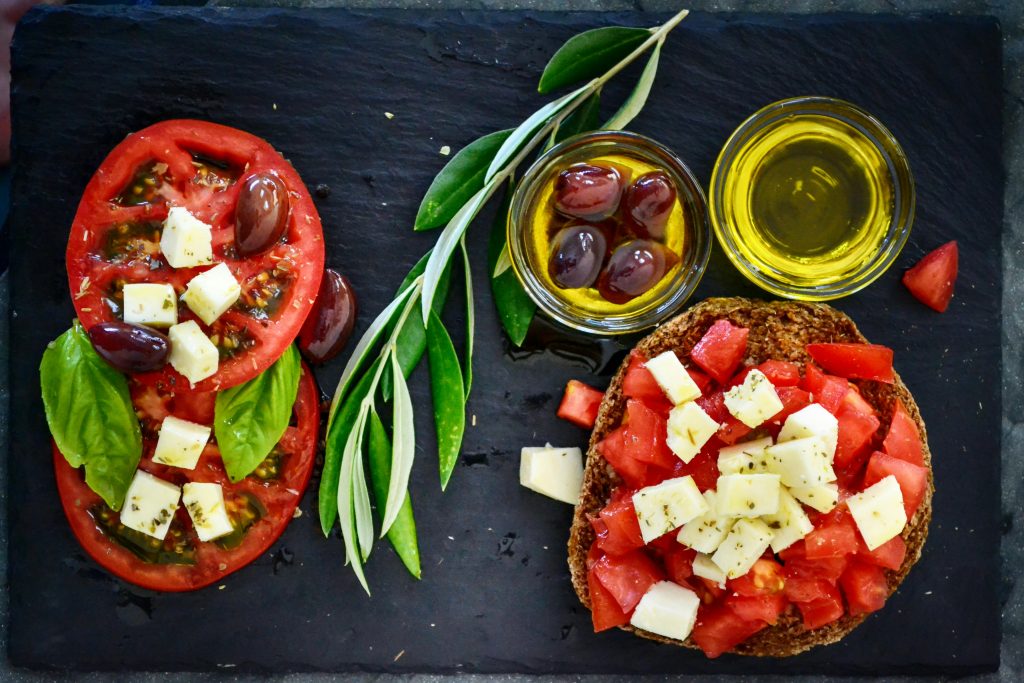
- Plant-based foods: High intake of vegetables, fruits, legumes, and whole grain cereals.
- Healthy Fats: Specifically, using olive oil as the primary lipid source.
- Lean Proteins: Consuming fish above the average rate.
- Moderate Alcohol: Maintaining a moderate, controlled intake.
How to Lose Your “Vascular Points”
Conversely, points were earned by consuming less than the average person in categories that contribute to Metabolic Weathering:
- Red Meat: Keeping consumption low.
- Dairy Products: Reducing the intake of milk and cheese.
- Saturated Fats: Cutting back on items high in saturated fatty acids.
| Diet Score Group | Percentage of Participants | Adherence Level |
| 6 to 9 | ~30% | Highest |
| 0 to 2 | ~13% | Lowest |
3. The Science of Stroke Protection: Ischemic vs. Hemorrhagic
When the data were unblinded in early 2026, the association between the Mediterranean diet and stroke reduction was undeniable. Even after researchers accounted for other major risk factors—such as smoking, physical activity levels, and high blood pressure—the dietary benefits remained significant.
Ischemic Stroke (The Blockage)
Ischemic strokes occur when blood flow to part of the brain is blocked, often by a clot. They are the most common form of stroke. Women with the highest Mediterranean diet scores saw a 16% lower risk of ischemic stroke. This is likely due to the “Endothelial Shield” provided by olive oil and plant antioxidants, which keeps blood vessels slippery and prevents the “sticky” inflammation that leads to clots.
Hemorrhagic Stroke (The Rupture)
Hemorrhagic strokes happen when a blood vessel ruptures and causes bleeding in the brain. These are often more devastating and far less understood in clinical research. This is where the 2026 research was most surprising: women in the highest group had a 25% lower risk of hemorrhagic stroke.
“We were especially interested to see that this finding applies to hemorrhagic stroke, as few large studies have looked at this type of stroke,” said study author Sophia S. Wang, PhD.
4. The Biological Mechanism: Why Plant-Based Fats Save the Brain
Why would a diet high in olive oil and legumes reduce the risk of a brain bleed by 25%? As an expert in CKM Syndrome (Cardiovascular-Kidney-Metabolic link), I look at the structural integrity of the vessels.
Strengthening the Vessel Wall
The high antioxidant levels found in vegetables and fruits, combined with the monounsaturated fats in olive oil, reinforce the vascular wall. By reducing systemic inflammation, the diet prevents the “weathering” that makes vessels brittle and prone to rupture.
The Role of Fish and Omega-3s
Fish is a cornerstone of this diet. The omega-3 fatty acids found in oily fish act as natural anti-inflammatories, reducing the “Metabolic Noise” that otherwise strains the heart and brain. In the age of Geroscience, we view this as maintaining Systemic Resilience.
5. Integrating the “Mediterranean Shield” into Your 2026 Routine
While the study proves the association, the challenge for many of my patients is implementation. You don’t need a total lifestyle overhaul overnight; you just need to start earning points according to the Mediterranean guidelines.
1. The Olive Oil Switch
Make extra-virgin olive oil your primary fat. Use it for dressing, sautéing, and even as a replacement for butter on bread. This provides the monounsaturated fats that support vessel elasticity.
2. Plant-Forward Momentum
Aim for whole grains, legumes, and plenty of fruits and vegetables daily. These are the “garbage collectors” of the vascular system, clearing out the metabolic waste that can lead to inflammation.
3. The Fish-First Strategy
Swap red meat for fish at least twice a week. This provides the lean protein and healthy fats necessary for brain health while lowering your intake of saturated fatty acids.
Protecting Your Metabolic Autonomy
The 2026 research from the American Academy of Neurology is a reminder that stroke prevention is a marathon, not a sprint.
- 18% overall risk reduction was observed in those most closely following the diet.
- Subtypes Matter: The diet is exceptionally effective against hemorrhagic strokes, offering a 25% reduction.
- Accessibility: Most of these changes involve eating more of the good things (veg, fruit, legumes, whole grains) rather than just deprivation.
- Long-Term Impact: The study showed these benefits over a 21-year period, proving that consistency is the ultimate clinical tool.
How I Can Help You Navigate Your Vascular Health
Transitioning to a Mediterranean-style diet is one of the most proactive steps you can take to ensure your long-term independence and cognitive clarity.
Online Medical Consultations (Philippines & Global)
For my global community, I offer secure, 24/7 consultations via SeriousMD. We approach stroke prevention through the lens of Systemic Resilience.
- Vascular Plate Audit: Reviewing your current eating habits to identify the “low-hanging fruit” for risk reduction.
- CKM Risk Profiling: Coordinating your blood pressure, cholesterol, and glucose markers with a personalized nutrition roadmap.
- Vascular Protection Plan: Designing a strategy specifically for those with a family history of stroke or heart disease.
BOOK YOUR MEDICAL CONSULTATION NOW ON SERIOUSMD
Geriatric Rehab & Anti-Aging Clinic (Alicante & Costa Blanca, Spain)
For the international community in Spain, we specialize in the physical and metabolic re-programming required for recovery and prevention.
Visit our local sites: Puente Costa Blanca (.com) |Puente Costa Blanca (.es)
Our Specialized Services in Spain:
- Neuro-Functional Training: Specific brain-body drills that utilize the signaling principles of vascular health to promote recovery.
- Sarcopenia & Vitality: Building the muscle “metabolic sink” that reduces systemic inflammation, supporting cleaner signals in the brain.
- Autonomy & Comfort: Managing the chronic neuro-inflammation associated with aging to keep you moving independently.
Final Thoughts from Dr. Marie
The realization that our dinner plate can reduce the risk of a devastating brain bleed by 25% is a profound moment for Systemic Resilience. We are not merely at the mercy of time or genetics; we are the operators of a highly sophisticated biological fortress that wants to be healthy. By ensuring our metabolic foundation is strong—through the right nutrition, targeted exercise, and precision dosing—we give our blood vessels the support they need to stay flexible and strong.
Let’s start earning your vascular points today.
Dr. Marie Gabrielle A. Laguna, MSc, M.D., FPCP, FDip (Geriatric Rehab, UK) Internal Medicine & Senior Health Specialist