
In my clinical practice as an internal medicine specialist, I often use the analogy of a “copy machine” to explain the fundamental processes of cellular life. Every time a cell in your body divides, it must copy its entire genetic manual—a massive document containing three billion letters. Usually, the copies are high-resolution and perfect. However, as we age, the “toner” runs low, the “paper” becomes brittle, or the “software” begins to glitch.
A groundbreaking study from UCLA Health Sciences, published in January 2026, has identified a specific and surprisingly common “copy error” that occurs as we grow older. It’s called DNA repeat expansion. The study reveals that for some individuals, these glitches happen at a normal pace, but for others, the DNA is predisposed to “stutter” and expand at an alarming speed—up to four times faster than average. This “4x Rule” of genetic instability provides a vital new window into why certain individuals develop severe kidney and liver diseases prematurely.
1. The Stutter in the Code: What Are DNA Repeats?
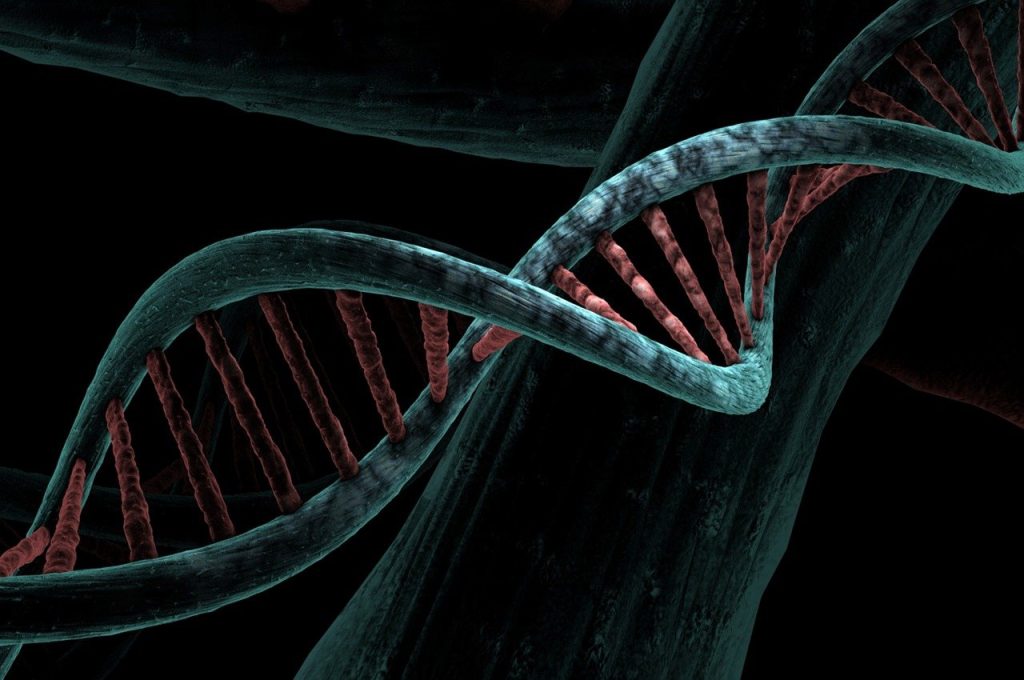
To understand this breakthrough, we have to look at the structure of our genome. Our DNA is not just a straight line of instructions; it contains many regions where short sequences of genetic “letters” repeat over and over again—like a stutter in a sentence (for example, the sequence CAG-CAG-CAG-CAG).
These are known as Short Tandem Repeats (STRs). While these repeats are a natural part of human biology, they are inherently unstable. They are the “weak links” in our genetic chain.
The 2026 UCLA study analyzed nearly one million genomes from the UK Biobank and the All of Us Research Program. They discovered that as we age, these repeating sequences have a tendency to “unzip” and grow longer during the copying process. Think of it like a loose thread on a knit sweater; the more the cell replicates, the longer that thread becomes. When these sequences expand beyond a certain limit, they begin to interfere with the cell’s ability to produce proteins correctly, leading to systemic “glitches” in our health.
2. The 4x Rule: Your Inherited Pace of Molecular Aging
The most startling discovery from the research team, led by Dr. Margaux Hujoel, is that the speed of this DNA expansion is not uniform. It is heavily influenced by our inherited genetics.
Prior to this study, we knew that certain rare diseases (like Huntington’s) involved repeat expansions. But this research proves that repeat expansion is a universal feature of aging in almost everyone.
The Findings:
- The Genetic Modifiers: We all carry common genetic variants that act as “regulators” for these repeats.
- The Acceleration Factor: Some individuals carry variants that keep their DNA repeats stable for decades. Others carry a combination of genes that cause their repeats to expand four times faster than those in the lowest-risk group.
This means that chronological age is a poor indicator of genetic stability. A 50-year-old on the “fast” end of the 4x Rule might have more genetic instability than an 80-year-old with stable “repair” genes.
3. Linking DNA Instability to Kidney and Liver Disease
Historically, repeat expansion disorders were seen almost exclusively as “brain diseases,” such as ALS or myotonic dystrophy. However, this 2026 research has fundamentally expanded the medical map.
The researchers identified a specific repeat expansion in a gene called GLS (glutaminase). This gene is responsible for an enzyme crucial to nitrogen metabolism and energy production. They found that:
- Kidney Risk: Individuals with expansions in the GLS gene had a 14-fold increase in the risk of severe kidney failure.
- Liver Risk: These same individuals faced a 3-fold increase in the risk of chronic liver diseases.
As an internal medicine specialist, I find this link to the excretory system profound. It suggests that many cases of “unexplained” organ decline in older adults are not just due to lifestyle or “bad luck,” but are driven by this hidden, high-speed genetic instability.
4. The Paradox of DNA Repair: A Delicate Balance
In my previous articles, I have often discussed the concept of homeostasis—the body’s effort to maintain a “balanced tray.” The UCLA study uncovered a fascinating paradox in how our cells try to maintain this balance.
The researchers identified 29 regions of the genome involved in DNA repair. Surprisingly, they found that the same repair genes did not behave the same way everywhere. A genetic variant that helped “fix” and stabilize a repeat in one part of your DNA might actually make a repeat in another part more unstable.
This tells us that our DNA repair machinery is a “zero-sum game.” When the system works too hard to fix one glitch, it may lack the resources to fix another. This “systems-level” view is essential for the future of personalized medicine. It means we cannot just “blast” the body with generic anti-aging treatments; we must understand which specific genetic “stutters” a person is prone to.
5. From Biobanks to the Clinic: DNA as a Biomarker
The ability to measure DNA repeat expansion in a simple blood test opens up a new frontier in geriatric care. In the near future, we may be able to use these measurements as a “biological speedometer.”
- Early Warning Systems: We could identify high-risk individuals decades before they develop kidney or liver issues.
- Measuring “Geroprotectors”: If we prescribe a lifestyle change or a new medication, we can check the blood to see if the “4x expansion” has been slowed down to a “1x” or “2x” pace.
- Pharmacology: As a pharmacologist, I am excited about the possibility of targeting the specific DNA repair pathways identified in this study to “lock” these repeats and prevent them from growing.
6. Practical Steps for Improving Genetic Resilience
While we cannot change the “4x Rule” we were born with, we can influence how much stress we put on our DNA repair machinery. DNA instability is significantly worsened by oxidative stress and chronic inflammation (inflammaging).
Strategies to Support DNA Stability:
- Metabolic Protection: High blood sugar creates “glycation,” which acts like glue on our DNA, making it harder to copy accurately. Maintaining stable glucose levels is a primary defense for your genetic code.
- Mitochondrial Fuel: DNA repair requires a massive amount of cellular energy (ATP). By supporting your “cellular powerhouses” through the mitochondrial strategies we discussed earlier, you give your repair enzymes the fuel they need.
- Avoid Environmental “Noise”: Toxins such as phthalates and heavy metals interfere with DNA repair enzymes. Minimizing exposure to endocrine disruptors protects your cellular “software.”
- Anti-Inflammatory Lifestyle: Chronic inflammation forces cells to divide more rapidly to repair tissue damage. More division means more “copying,” which increases the chance for repeat expansion.
7. A Global Vision for Genomic Health
Whether you are part of the Filipino community in Iloilo or an expat in the Costa Blanca, your DNA is the silent engine of your health. The 2026 UCLA study reminds us that while we all age, we do not all age at the same speed. Understanding the “4x Rule” allows us to move away from “one-size-fits-all” medicine and toward a future where we protect our kidneys, liver, and brain with molecular precision.
How I Can Help You Navigate Your Genetic Future
Achieving true longevity requires looking beneath the surface. I am here to help you translate these 2026 breakthroughs into a proactive strategy for your life.
Online Medical Consultations (Philippines & Global)
Distance is no barrier to high-quality, board-certified care. I offer 24/7 secure consultations to help you manage your systemic health and aging profile.
- Organ Health Screening: Evaluating your kidney and liver risk factors through a geriatric lens.
- Metabolic Optimization: Designing a plan to minimize the stressors that drive DNA instability.
- Lab Interpretation: Explaining your markers—from blood sugar to inflammatory proteins—as indicators of your biological pace.
BOOK YOUR CONSULTATION ON SERIOUSMD
Geriatric Rehab & Anti-Aging Clinic (Alicante & Costa Blanca, Spain)
In the Valencian region, we provide the physical and metabolic training needed to keep your biological clock in check.
Learn more at: Puente Costa Blanca |puentecostablanca.es
Our Specialized Services in Spain:
- Sarcopenia and Vitality: Progressive Resistance Training (PRT) to build the metabolic reserve that protects your DNA.
- Prevención de Caídas: Otago balance protocols to maintain independence and reduce the systemic stress of injury.
- Entrenamiento Neuro-Funcional: Brain-body drills to support cognitive resilience against repeat expansion risks.
- Autonomía y Confort: Managing the stiffness and discomfort of aging to ensure you stay active and resilient.
Final Thoughts
The January 2026 study from UCLA is a landmark moment in the history of genetics. It proves that aging is a dynamic process written in our DNA repeats. By understanding the “4x Rule,” we can stop being passive observers of our aging and start being active managers of our genetic stability.
Let’s work together to keep your “copy machine” running smoothly for years to come.
Dr. Marie Gabrielle A. Laguna, MSc, M.D., FPCP, FDip (Geriatric Rehab, UK), Internal Medicine Specialist | Geriatric Rehab Expert