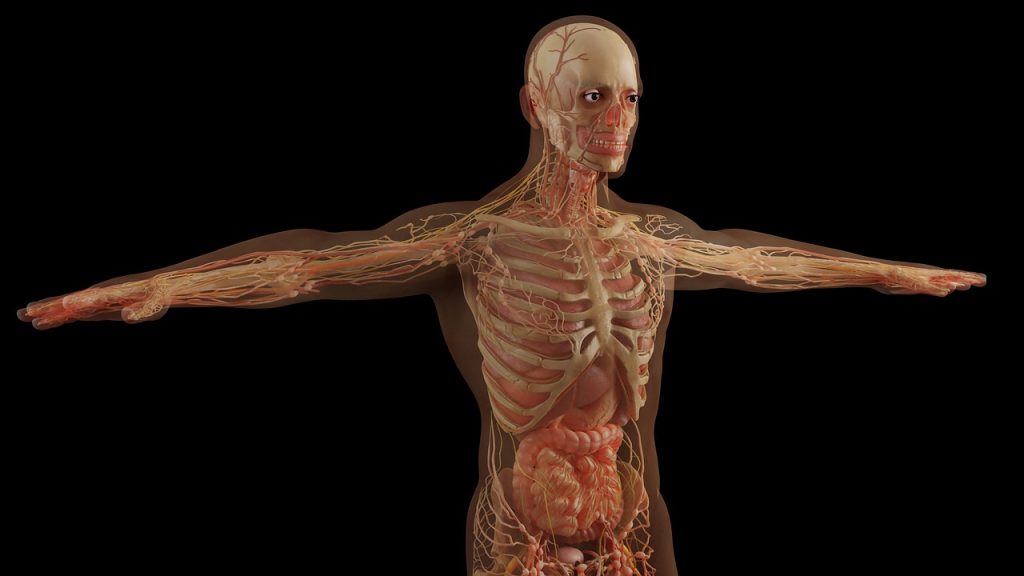
In my two decades of clinical practice—whether I am consulting with families in Iloilo or working with the vibrant international community in Alicante, Spain—I have often described the human body as an intricate, interlinked machine. For years, medicine has operated under what I call the “Silo Model.” If you have kidney issues, we look at the kidneys. If you have heart trouble, we focus on the pump. We treated aging like a series of isolated, random accidents—a creaky hinge here, a flickering lightbulb there. We assumed that each organ was a separate entity, aging at its own pace, largely independent of its neighbors.
But as of February 28, 2026, a landmark study from The Rockefeller University, published in the journal Science, has effectively rewritten the manual on human decline. By mapping 7 million individual cells across 21 different organs, researchers have discovered that aging is not a collection of random accidents. Instead, it is a highly coordinated, body-wide symphony—and for the first time, we have the full orchestral score.
This “Cellular Atlas” represents a tectonic shift in Precision Geroscience. It suggests that aging is a synchronized process that begins much earlier than we realized, following a specific genetic program rather than just “random genomic decay.” As your health collaborator, let’s unpack what this means for your future and how we can use this map to target the process before the “symptoms” ever begin.
1. The Monumental Census: How We Mapped 7 Million Cells
To understand how the body “really” ages, we first had to see it at a resolution that was previously impossible. Most medical tests look at the “forest”—the organ as a whole. This study, led by Junyue Cao and his team, looked at the “leaves”—the individual cells. This level of detail is unprecedented, allowing us to see how different cell types within the same organ might be aging at different speeds.
Single-Cell ATAC-seq: Reading the Functional Blueprint
The team utilized a refined method called single-cell ATAC-seq (Assay for Transposase-Accessible Chromatin using sequencing). This isn’t the standard genetic test that tells you what genes you have. Instead, it tells us which genes are accessible and ready to be used.
From “Books on a Shelf” to “Open on the Desk”
Imagine your DNA is a massive library containing every instruction for your body. Traditional sequencing tells you which books are on the shelves. ATAC-seq tells us which books are currently open on the desk being read, and which ones have been locked away in a dusty basement.
By measuring “chromatin accessibility,” the researchers could see exactly which biological programs were “running” in 7 million different cells. This allowed them to catch the moment a cell decides to stop acting “young” and starts following an “aging” script. It’s like catching a software update in the middle of being installed.
A Feat of Scientific Efficiency
What is truly remarkable—and a sign of how fast technology in 2026 is moving—is that this entire atlas was generated primarily by a single graduate student, Ziyu Lu. Most large atlases of this nature require massive global consortia, but the Rockefeller method proved far more efficient.
- 21 Mammalian Tissues: Brain, heart, lungs, kidneys, liver, skin, and more.
- 1,800 Distinct Cell Subtypes: Identifying rare cells that had never been documented in the context of aging.
- Organism-wide Scope: Tracking 32 mice across three distinct life stages (young adult, middle-aged, and elderly).
2. The Synchronized Symphony: Why Your Organs Age in Lockstep
The most disruptive takeaway from the Rockefeller Atlas is the realization that aging is synchronized. We used to think that the liver aged at its own pace while the lungs did their own thing, perhaps depending on your lifestyle. The data shows otherwise.
Blood-Borne Signaling and the “Master Conductor”
The study found that specific cellular shifts—changes in cell numbers and genetic activity—happened in lockstep across multiple organs. Similar cellular states rose and fell together across different tissues. This synchronization suggests that aging isn’t just a localized breakdown of parts; it’s a systemic transition.
The Blood as an “Internal Internet”
In my clinic, I often tell my patients that their blood is the “internal internet” of their body. This research suggests that there is a “system-wide update” broadcast through the blood that tells all 21 organs to start the aging process simultaneously.
Shared signals, possibly factors circulating in the bloodstream, help coordinate this aging throughout the body. This explains the “domino effect” we see in geriatric medicine: when one system begins to fail, others often follow quickly. We aren’t just looking at failing hearts; we’re looking at a failing “broadcast.”
3. The “Five-Month” Paradox: Why Aging Starts Sooner Than You Think
One of the most startling findings in the atlas is the timeline. If we translate mouse ages to human equivalents, the study found that significant aging-related shifts were already detectable by middle age.
Abundance vs. Function: The Numbers Game
Historically, scientists believed aging mostly altered how cells functioned (they became “tired” or “senescent”). The Rockefeller team discovered that it also fundamentally changes how many of each cell type exist.
About one quarter of all cell types showed significant changes in abundance over time. This means the literal architecture of your organs is shifting long before you feel “old.”
Why Middle Age is the New Critical Window
Certain muscle and kidney cell populations began to drop sharply by the “five-month” mark (the human equivalent of our 30s or early 40s). Meanwhile, immune cells expanded considerably.
This tells us that aging isn’t a sudden “falling apart” at the end of life. It is a continuation of the same developmental processes that grew us from infants to adults. The body doesn’t reach a peak and then “break”; it simply continues to change according to a pre-programmed genetic trajectory. This is why our 40s are the most critical decade for intervention.
4. Sex, Cells, and the 40% Divide
In the spirit of Intellectual Honesty, we have to address a major finding: Aging is sex-specific. The researchers found that roughly 40% of all aging-associated changes varied significantly between males and females.
Female Immune Activation and the Path to Autoimmunity
One of the most pronounced differences was seen in the immune system. Females showed much broader and more intense immune activation as they aged compared to males.
Personalizing Longevity by Biological Sex
This offers a cellular “smoking gun” for why women have a significantly higher prevalence of autoimmune diseases like Lupus or Rheumatoid Arthritis as they get older. If nearly half of your aging process is dictated by your biological sex, your longevity protocol should be as well. We can no longer use a “male-standard” for aging research and expect it to work for everyone. In Alicante, we are seeing a surge in personalized immunology for this very reason.
5. Identifying the “Hotspots”: The Future of Targeted Anti-Aging Therapy
Beyond counting cells, the team identified “hotspots”—specific regions of DNA that are particularly vulnerable to aging across almost all cell types. Out of 1.3 million genomic regions analyzed, about 300,000 displayed significant aging-related alterations.
The 1,000 Shared Genetic “Switches”
Crucially, 1,000 of these changes appeared across many different cell types. This challenges the idea that aging is just “random genomic decay.” Instead, it appears to be a coordinated “rewiring” of the body’s regulatory systems.
These hotspots were consistently linked to:
- Immune Function: How the body identifies threats.
- Inflammation: The “smoldering fire” (inflammaging) that damages tissue.
- Stem Cell Maintenance: The body’s ability to repair itself.
Cytokines and the “Pill for Processes”
The researchers discovered that signaling molecules called cytokines can trigger many of the same changes observed in “elderly” cells. If we can develop therapies to “tune” these cytokines, we might be able to slow down the synchronized aging process across all 21 organs at once. We are moving from the era of “pills for ills” to “interventions for processes.” This is the ultimate goal of the Rockefeller lab’s next steps.
6. Dr. Marie’s 2026 Protocol: Protecting Your Cellular Ecosystem
While the Rockefeller team works on the next generation of drugs, how do we apply a 7-million-cell map to your daily routine? In my practice, we use these findings to build Systemic Resilience. We focus on the factors that influence the “blood-borne” aging broadcast.
1. Vascular Shielding: Filtering the “Aging Signal”
Since aging signals are likely blood-borne, the health of your vessels is your primary defense. If your “pipes” are inflamed, the aging broadcast becomes louder and more destructive.
- Action: Keep blood pressure strictly under 130/80.
- Action: Maintain clean air (using HEPA filters or enjoying the Costa Blanca breeze) to avoid PM2.5, which accelerates these signals.
2. Metabolic Integrity: Lowering the Genetic Volume
High blood sugar and systemic inflammation act as amplifiers for the 1,000 shared aging hotspots.
- Action: Maintain an HbA1c below 5.5%. This isn’t just about avoiding diabetes; it’s about “lowering the volume” on the genetic signals of decline.
3. The “Newcastle Burst”: Exercise as Molecular Cleaning
Brief, intense exercise helps clear out the expanded, pro-inflammatory immune cells that the Rockefeller study found “gunking up” our tissues.
- Action: Incorporate short bursts of high-intensity movement (the “Newcastle Burst”) to trigger the release of beneficial molecules from the liver that help maintain the blood-brain barrier.
How I Can Help You Protect Your Heart and Vitality
Understanding your biological risk requires a personalized, evidence-based approach that combines internal medicine with specialized rehab. I am here to help you translate the latest geroscience into a plan that protects your cellular architecture.
Online Medical Consultations (Philippines & Global)
Distance should never be a barrier to expert care. I offer 24/7 secure online consultations for the Filipino community and OFWs globally. We can review your metabolic health and aging risk factors to ensure you are on the right path.
- Heart Health & Longevity Assessments: Evaluating your biomarkers (Cholesterol, HbA1c, CRP) through a geriatric and internal medicine lens.
- Chronic Disease Management: Addressing the hypertension and diabetes that put a strain on your cardiovascular system.
- Nutritional Guidance: Helping you design a diet that maximizes your “genetic shield” against disease.
BOOK YOUR CONSULTATION ON SERIOUSMD
Geriatric Rehab & Anti-Aging Clinic (Alicante & Costa Blanca, Spain)
For the international community in the Valencian region, I offer specialized services to help you stay strong and resilient.
Learn more at: Puente Costa Blanca | puentecostablanca.es
Our Specialized Anti-Aging Services in Spain:
- Sarcopenia y Vitalidad (Sarcopenia & Vitality): Medically-supervised PRT programs to maintain the strength of your heart and skeletal muscles.
- Prevención de Caídas (Fall Prevention): Otago balance protocols to keep you moving with confidence and prevent the cardiovascular stress of a fall.
- Autonomía y Confort (Autonomy & Comfort): Managing joint health and ergonomics for a pain-free, active Mediterranean lifestyle.
- Entrenamiento Neuro-Functional (Neuro-Functional Training): Supporting the brain-heart axis and overall cognitive resilience.
Final Thoughts: From Map to Mission
The realization that aging is a synchronized symphony is both a warning and a beautiful opportunity. It is a warning because it tells us that neglecting one organ is impossible; your whole body is listening to the same music. But it is an opportunity because it means that by targeting the “master switches”—your metabolic health, your vascular integrity, and your immune balance—you can improve the health of your entire ecosystem at once.
The Rockefeller Atlas has given us the map. Now, our job is to navigate it with intention. You are not just a collection of parts; you are a unified, resilient system. Let’s keep your symphony playing in perfect harmony.
Dr. Marie Gabrielle A. Laguna, MSc, M.D., FPCP, FDip (Geriatric Rehab, UK) Internal Medicine & Senior Health Specialist