
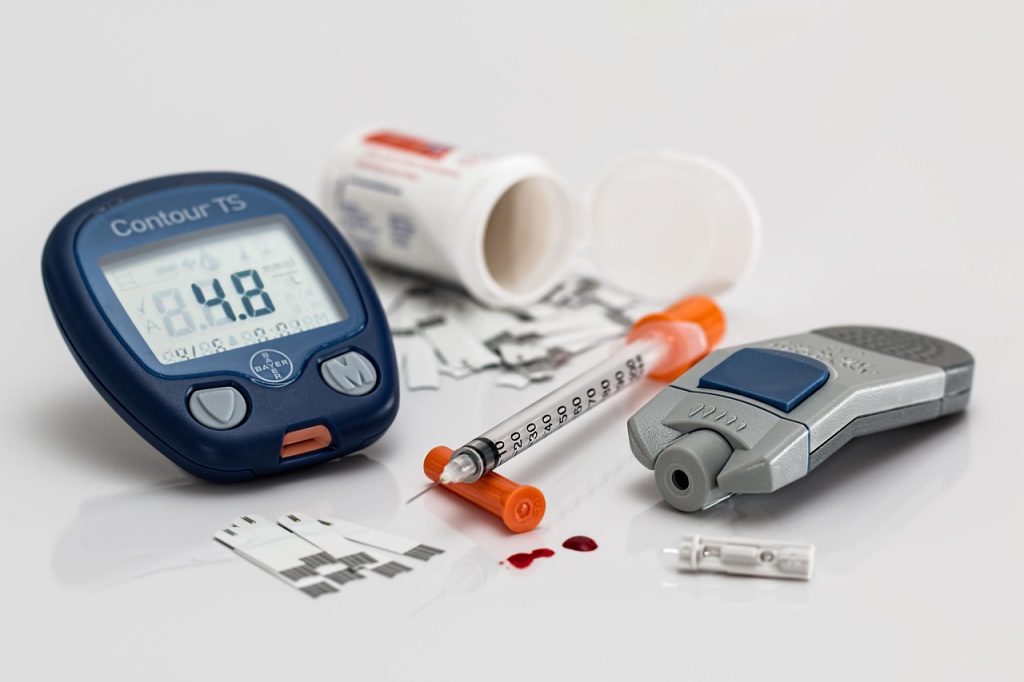
In my two decades of clinical practice—whether I am walking the wards in Iloilo, Philippines, or consulting with the vibrant international community in Alicante, Spain—I have often encountered what I call the “Metabolic Rehearsal.” Patients come to me with “pre-diabetes,” and we treat it as if the body is just slightly out of tune. We tell them to watch their sugar and maybe take a walk. But behind the scenes, a much more dramatic event is occurring: your insulin-producing cells are undergoing a total identity crisis.
For years, we understood the “what” of Type 2 Diabetes (T2DM): the body becomes resistant to insulin, and the pancreas eventually fails to produce enough to compensate. But we were missing the “why” at the molecular level. Why do these specialized cells, which have worked faithfully for decades, suddenly stop doing their jobs?
As of March 24, 2026, the “why” is no longer a mystery. A landmark study from the University of Tsukuba, published in the journal Diabetes, has utilized high-resolution single-cell gene analysis to identify a specific genetic “glitch.” It centers on a gene called Anxa10 and a phenomenon called dedifferentiation—where your beta cells essentially “quit” being insulin producers and start trying to be something else entirely.
1. The Single-Cell Revolution: Listening to the Pancreatic Choir
To understand the early development of diabetes, we first had to change how we looked at the pancreas. Historically, medical science looked at “bulk” tissue. We would grind up a piece of the pancreas and look at the average protein levels. This is like trying to understand a complex conversation in a crowded stadium by recording the overall decibel level. You hear the noise, but you miss the individual stories.
The High-Definition Census of 2026
Researchers at Tsukuba performed what I call a “Cellular Census” using single-cell transcriptome profiling. Instead of looking at the “noise,” they listened to every individual cell in the pancreatic islets.
The 20-Cluster Map
By analyzing islets from prediabetic and diabetic models (specifically the db/db mouse model), the team identified 20 distinct cell clusters. This included the primary actors:
- \beta (Beta) cells: The specialized “professional” insulin producers.
- \alpha (Alpha) cells: The producers of glucagon, which raises blood sugar.
- \delta (Delta) cells: The regulatory peacekeepers.
- PP cells: Producers of pancreatic polypeptide.
- Acinar cells: The “digestive department” that produces enzymes.
By tracking these clusters through the progression of the disease, the team realized that the beta cells weren’t just dying; they were transforming.
2. The Anxa10 “Circuit Breaker”: When Calcium Goes Wrong
The most startling discovery of this research was the upregulation of a gene called Anxa10 in beta cells during the very earliest stages of diabetes. In my clinical audits, I describe Anxa10 as a “faulty circuit breaker” triggered by a power surge in the cell’s electrical system.
The Calcium Power Surge
Your beta cells use calcium (Ca2+) as a signal. When blood glucose (C6H12O6) rises, it triggers an influx of Ca2+ into the cell, which tells the cell to release insulin. It is a beautiful, balanced system. However, chronic high sugar leads to a permanent “power surge.”
The Anxa10 Glitch
- The Overload: Chronic high blood sugar keeps the calcium channels open for too long.
- The Trigger: This elevated intracellular Ca2+ acts as a signal to turn on the Anxa10 gene.
- The Damage: Anxa10 disrupts the cell’s “calcium homeostasis” (its internal balance).
- The Result: The cell becomes paralyzed. It can no longer release insulin into the blood, even if it has plenty of insulin stored in its vesicles. This is the “secretory failure” that marks the transition from pre-diabetes to clinical diabetes.
3. Identity Theft: How Beta Cells “Forget” Who They Are
Perhaps the most disruptive insight from the Tsukuba study—and a cornerstone of our 2026 geroscience protocols—is the concept of dedifferentiation. In the past, we thought beta cells simply “burned out” and died like a lightbulb. We now know that’s not what happens. Instead, they undergo a “career change.”
Pseudotemporal Analysis and Cellular Transformation
Using “pseudotemporal analysis”—a computational method to track a cell’s life story—the researchers revealed a novel and alarming pathway. Under the stress of high glucose and Anxa10 activation, beta cells go through a three-stage regression:
Stage 1: The Loss of Specialty
The beta cell stops expressing the genes that make it an insulin-producer. It loses its “professional” identity.
Stage 2: Dedifferentiation
The cell enters a “primitive” state. It’s no longer a beta cell, but it’s not quite anything else yet. In 2026, we call this “Metabolic Amnesia.”
Stage 3: Transformation into Acinar-like Cells
The cell eventually starts expressing genes typically found in acinar cells—the cells responsible for digestive enzymes.
“Your insulin-producing factory workers essentially quit their specialized jobs and go work in the digestive enzyme department. This doesn’t just reduce your insulin; it fundamentally rewires your pancreas.”
4. Why This Discovery Changes Early Diagnosis in 2026
The identification of Anxa10 as an “early-stage marker” is a game-changer for preventative medicine. Traditionally, we waited for a high HbA1c (long-term blood sugar) to diagnose diabetes. But HbA1c is a “trailing indicator”—by the time it’s high, the Anxa10 damage has been happening for months or years.
Moving Toward Molecular Diagnostics
In our current clinical practice, we are looking for ways to detect this “Beta Cell Identity Crisis” before the “Career Change” becomes permanent.
- Calcium Sensitivity: We are looking at biomarkers that reflect cellular calcium stress.
- Islet Integrity: Identifying patients who have high “normal” blood sugar but evidence of secretory failure.
If we can “silence” Anxa10 or restore calcium balance in the pre-diabetic phase, we may be able to prevent the dedifferentiation entirely, effectively “curing” Type 2 Diabetes before it ever fully manifests.
5. Dr. Marie’s 2026 Protocol: Protecting Your Beta Cell Identity
While we wait for targeted Anxa10 gene therapies, we can apply the principles of Systemic Resilience to protect your islets today. We must focus on creating an environment where your beta cells never feel the need to “quit.”
Silencing the Anxa10 Trigger
To prevent the calcium “power surge,” we must achieve Glycemic Stability.
- The “Post-Meal Audit”: Using Continuous Glucose Monitors (CGMs) to ensure you aren’t spiking above 140 mg/dL after meals. Spikes are the primary drivers of the Ca2+ influx that turns on Anxa10.
- Magnesium Integrity: Magnesium is a natural calcium channel blocker. Ensuring your magnesium levels are optimal (> 2.1 mg/dL) helps your beta cells maintain their electrical balance.
Buffering the Islets with Antioxidants
Beta cells are notoriously poor at handling “Oxidative Stress.” When they are processing sugar, they create “exhaust” (free radicals).
- Polyphenol Shielding: Incorporate high-quality polyphenols (berries, green tea, extra virgin olive oil) to act as a “buffer” for the beta cells.
- The “Newcastle Burst”: Incorporating short, high-intensity exercise bursts helps “soak up” glucose into the muscles, taking the heavy workload off the pancreas.
| Pillar | Action | 2026 Clinical Target |
| Glycemic Stability | Flat glucose curve (no spikes) | HbA1c < 5.5\% |
| Mineral Balance | Magnesium supplementation | Serum Mg > 2.1 mg/dL |
| Islet Protection | High polyphenol intake | Low oxidative stress biomarkers |
| Muscle Sink | Resistance training | Optimal Sarcopenia Index |
How I Can Help You Protect Your Metabolic Future
Understanding these molecular “glitches” allows us to move from reactive medicine to proactive, precision care. I am here to help you audit your metabolic health using the latest 2026 standards.
Online Medical Consultations (Philippines & Global)
Distance should never be a barrier to molecular health. I offer secure consultations for the Filipino community and OFWs globally to help you avoid the “Beta Cell Identity Crisis.”
- Metabolic Mapping: We review your HbA1c, fasting insulin, and glucose variability to find the “early squeeze.”
- Chronic Disease Strategy: Moving you from “pre-diabetic” back to “metabolically flexible.”
BOOK YOUR CONSULTATION ON SERIOUSMD
Geriatric Rehab & Anti-Aging Clinic (Alicante & Costa Blanca, Spain)
For the international community in Spain, we focus on the “Muscle-Pancreas Axis.” Strengthening your body is the best way to protect your cells.
- Sarcopenia y Vitalidad (Sarcopenia & Vitality): Medically-supervised strength programs to maximize insulin sensitivity.
- Autonomía y Confort: Managing the systemic inflammation that drives Anxa10 activation.
- Learn more at: Puente Costa Blanca | puentecostablanca.es
Final Thoughts: Preserving the Specialist Within
The discovery of the Anxa10 mechanism is a powerful reminder that our bodies are not just failing as we age; they are responding to the environment we provide them. Your pancreatic beta cells are among the most specialized and hard-working cells in existence. They don’t want to “quit”; they are forced into an identity crisis by the constant stress of chronic hyperglycemia and calcium overload.
By stabilizing our blood sugar, protecting our vessels, and supporting our metabolic integrity, we aren’t just managing a “number” on a meter. We are preserving the identity of the cells that keep us alive. Let’s keep your metabolic symphony in perfect harmony.
Dr. Marie Gabrielle A. Laguna, MSc, M.D., FPCP, FDip (Geriatric Rehab, UK) Internal Medicine & Senior Health Specialist